
Best Money Books for Kids, by Age
By the Kids Financial Guide team · Updated October 2026
The short answer
For ages 3 to 6, start with Junior's Adventures Storytime Collection or But I've Used All My Pocket Change, which make saving and waiting easy to understand. For ages 5 to 8, A Bike Like Sergio's is the best book on needs versus wants. For ages 6 to 12, A Boy, a Budget, and a Dream teaches budgeting toward a goal, and Breaking the Piggy Bank introduces investing for kids around 10 and older.
A good story is the easiest way to start a money conversation. Kids remember what happened to a character long after they forget a lecture, and a book gives you a natural moment to ask, "What would you have done?"
We read and reviewed each of these books for how clearly it teaches a money idea, whether kids actually enjoy it, and how much help it gives parents. Here are our picks, grouped by the age they work best for.
How to choose
- Match the idea to the age. Under 6, stick to one concept per book: earning, saving, or sharing. From 6 up, kids can follow a goal, a budget, or a trade-off.
- Pick stories over lessons. Kids learn more from a character's mistake than from a list of rules.
- Look for discussion prompts. Several of these books include questions or activities, which makes the follow-up conversation much easier.
- Plan to talk about digital money yourself. Most picture books show coins and cash only, so add a few words about cards and apps.
Ages 3 to 6: first money stories
Short, funny stories that introduce earning, saving and spending without any jargon.
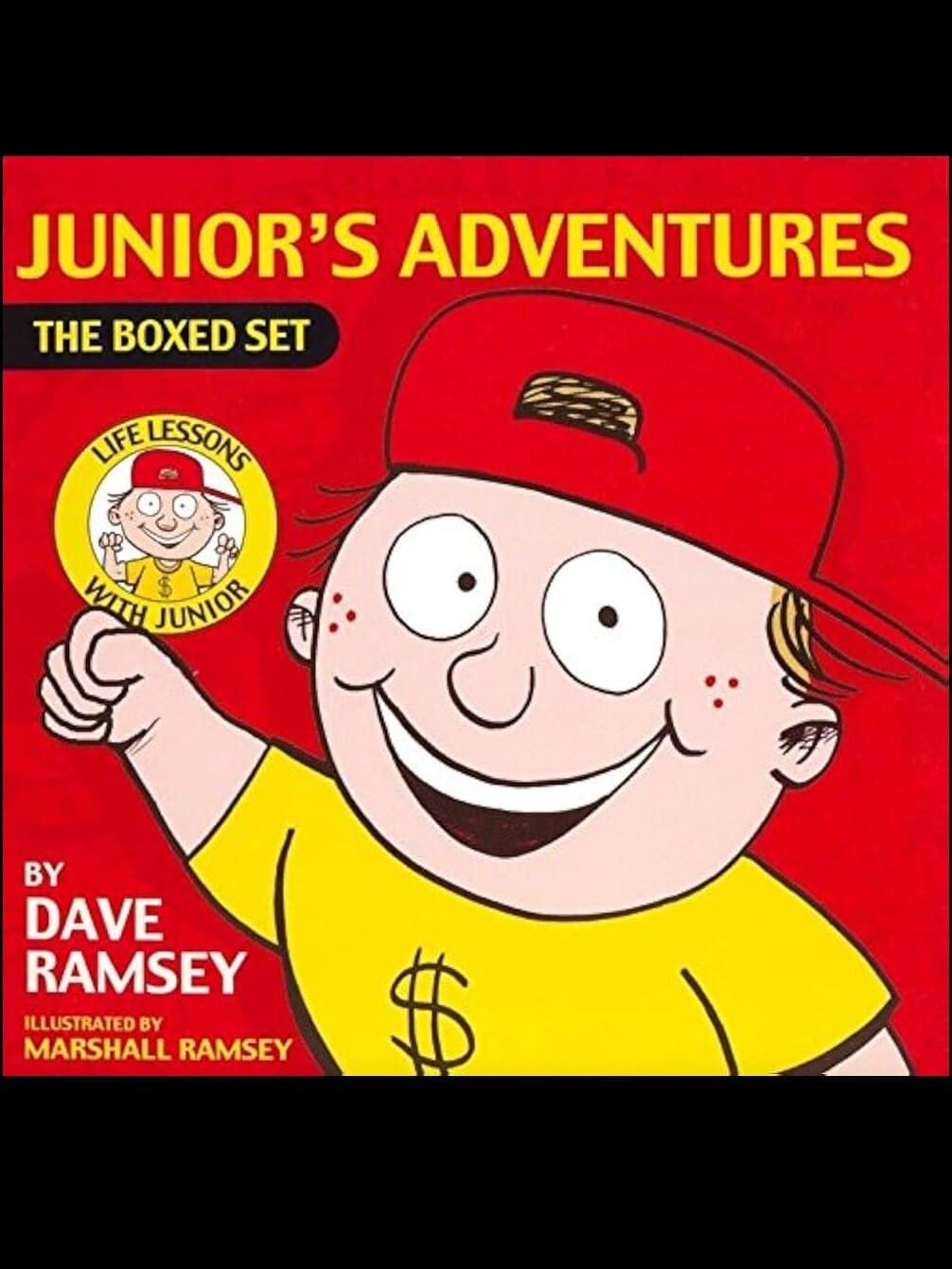
Junior's Adventures Storytime Collection
A collection of short stories that cover earning, saving, smart spending, debt awareness and giving, with built-in conversation prompts so you can talk through each one.
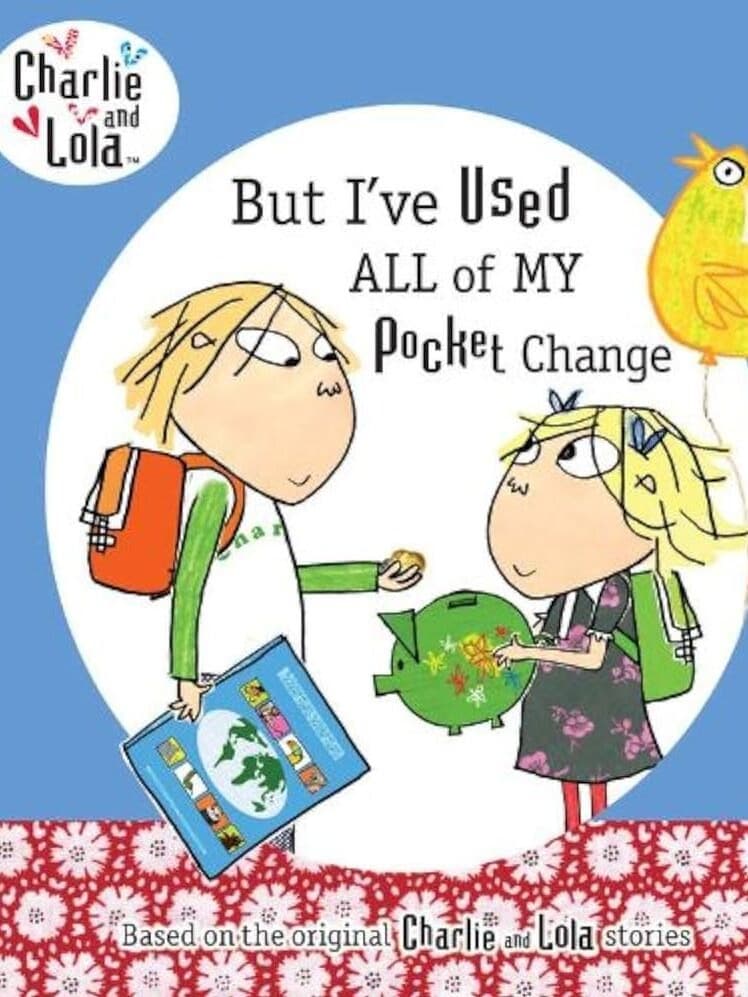
But I've Used All My Pocket Change
Charlie and Lola make spending feel funny and real. Lola spends her pocket change too fast, which opens an easy conversation about waiting and saving.
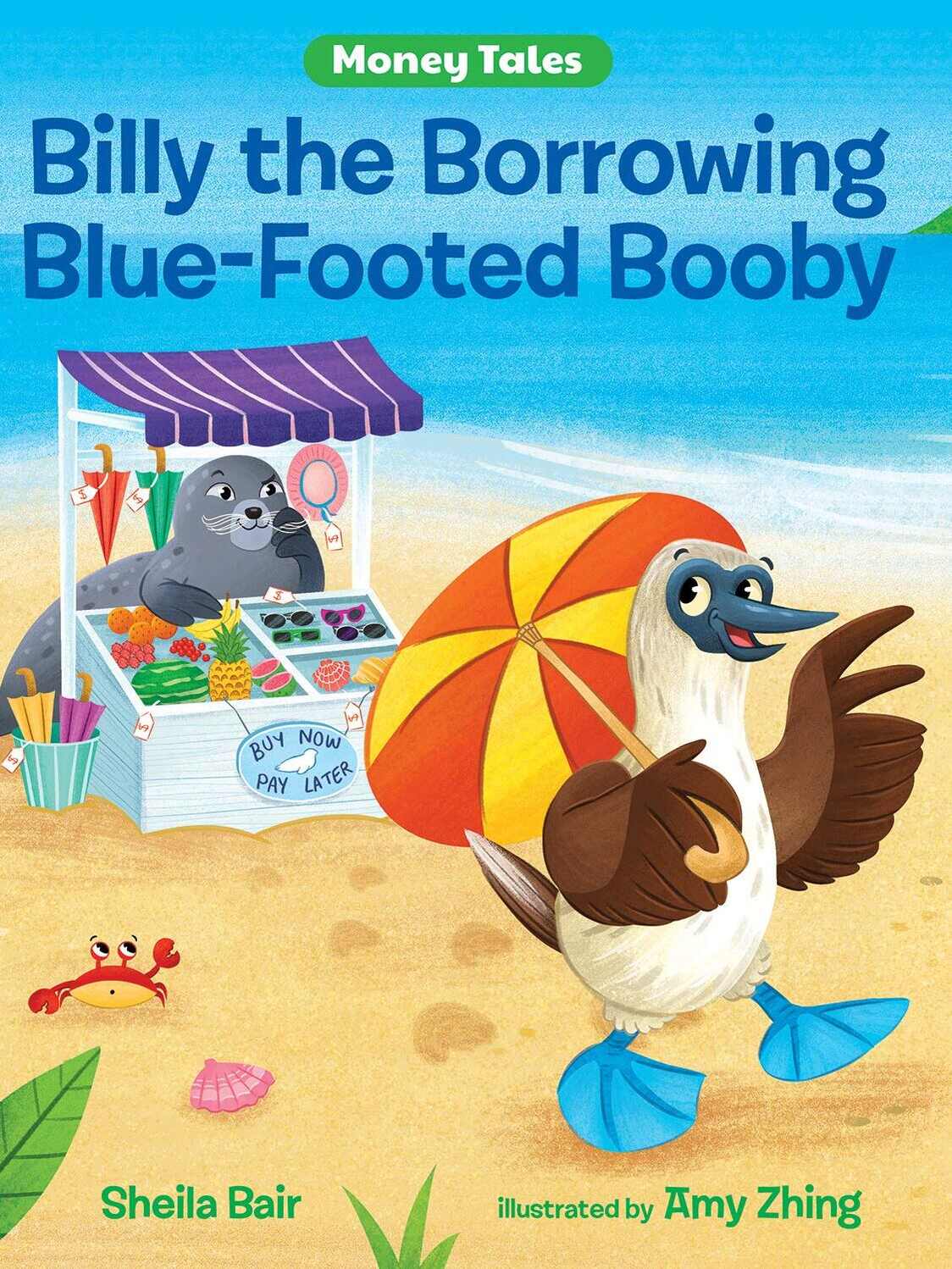
Billy the Borrowing Blue-Footed Booby
Billy borrows too much and learns the hard way. It is one of the few picture books that explains debt, and it comes with worksheets and a discussion guide.
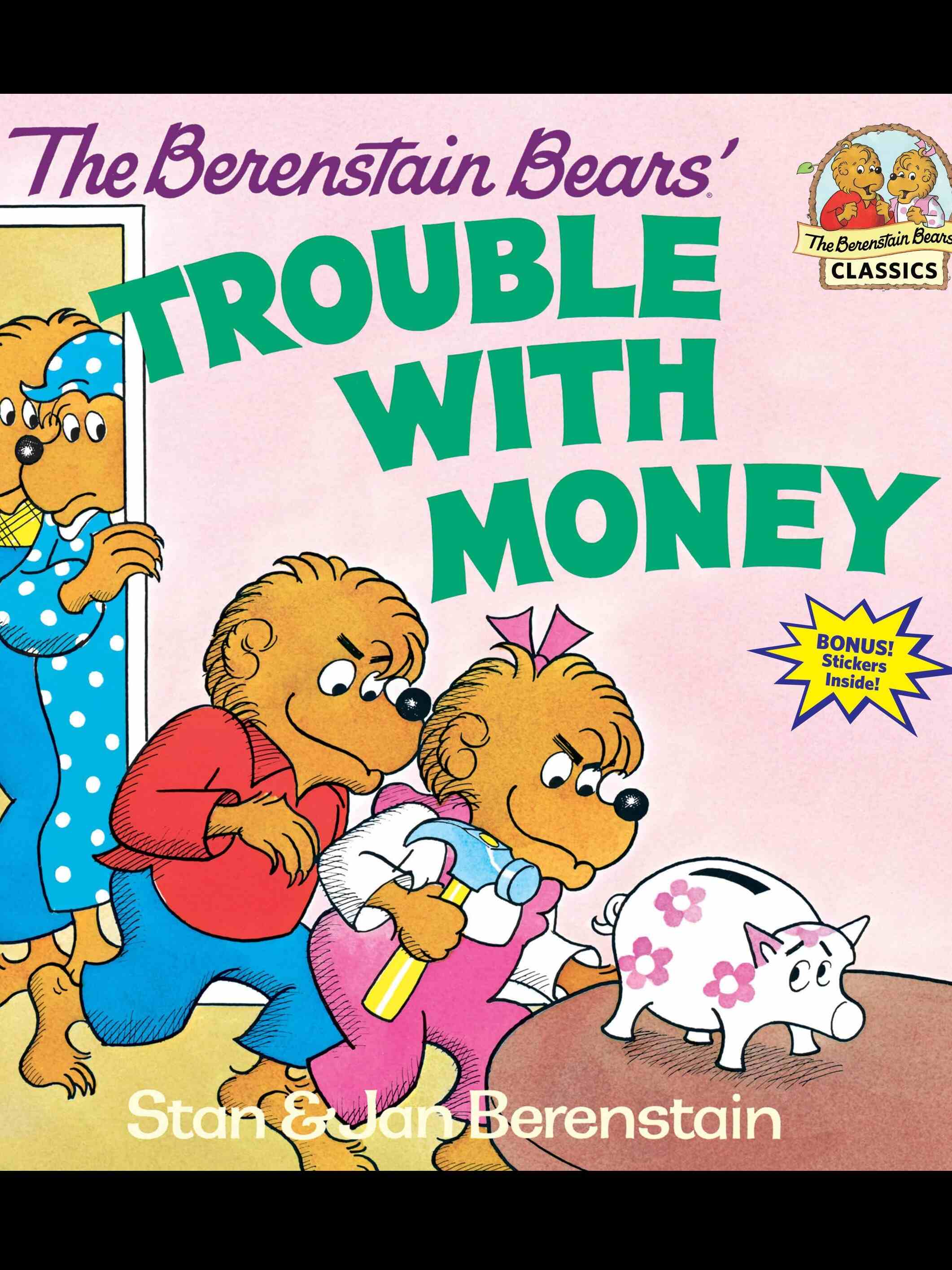
The Berenstain Bears' Trouble with Money
The cubs learn that money has to be earned and that spending it all leaves nothing for later. The examples are cash-based and a little dated, but the lessons still land.
Ages 5 to 8: values, sharing and needs vs. wants
Books that teach the feelings behind money: gratitude, generosity and making a hard choice.
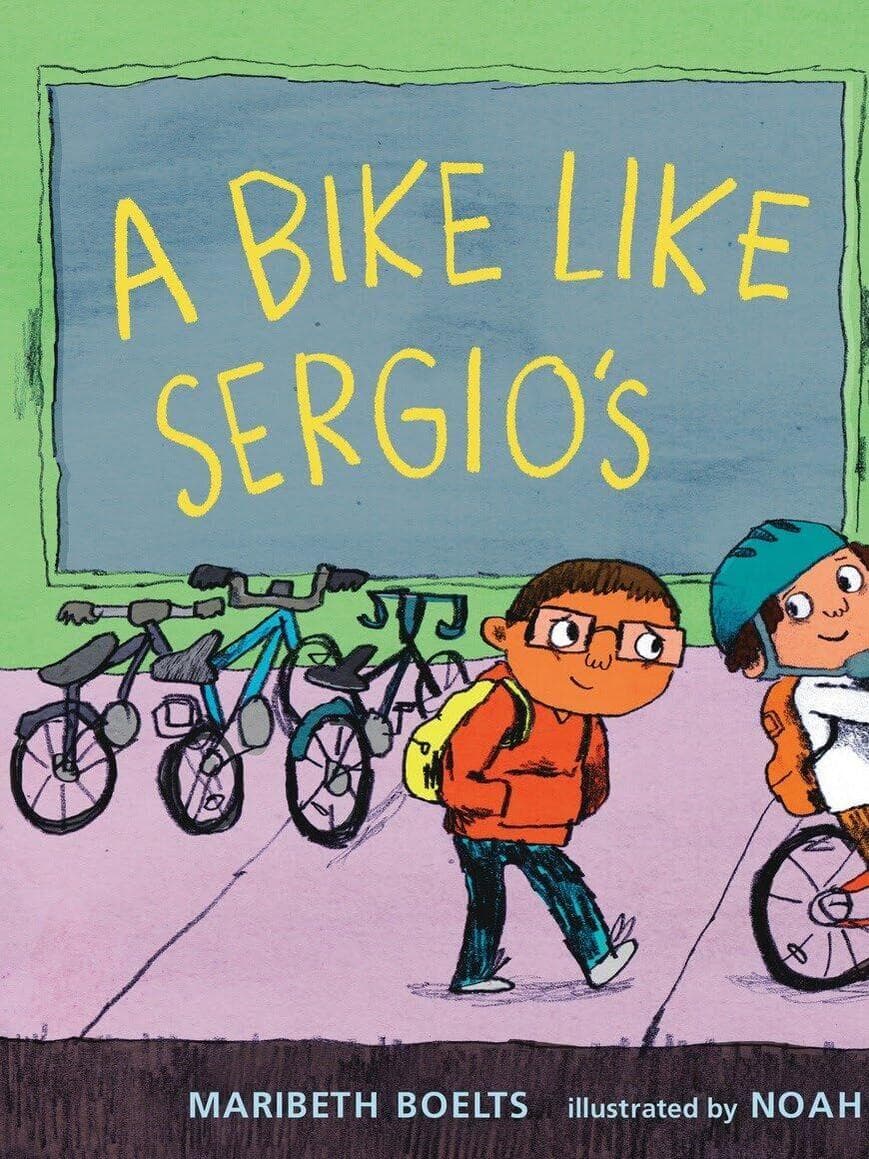
A Bike Like Sergio's
Ruben finds a lost $100 bill and has to choose between the bike he wants and doing the right thing. It teaches opportunity cost and honesty in one story.
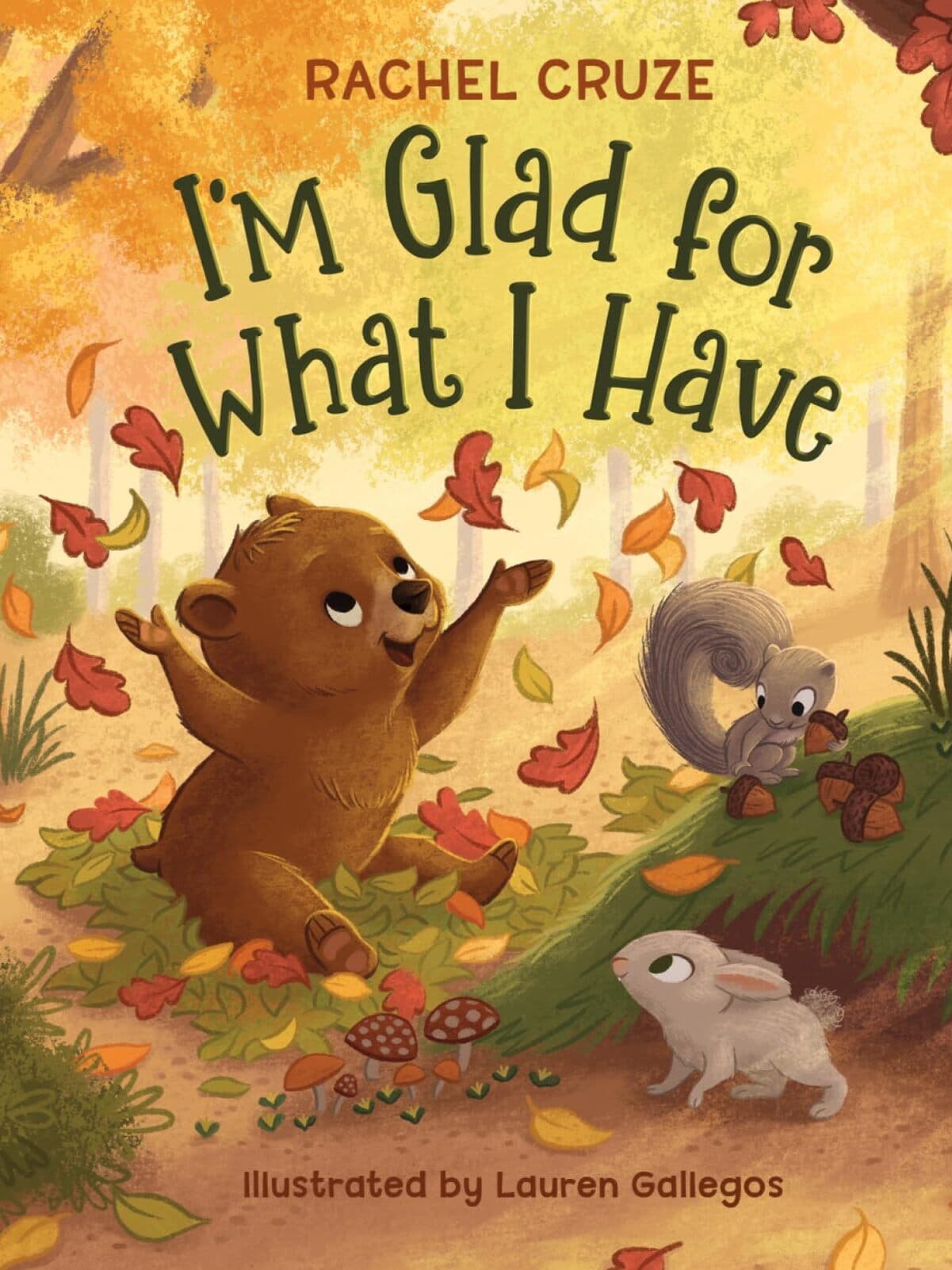
I'm Glad for What I Have
A gentle story about contentment over wanting more. It is light on money mechanics, which makes it a good conversation starter about values.
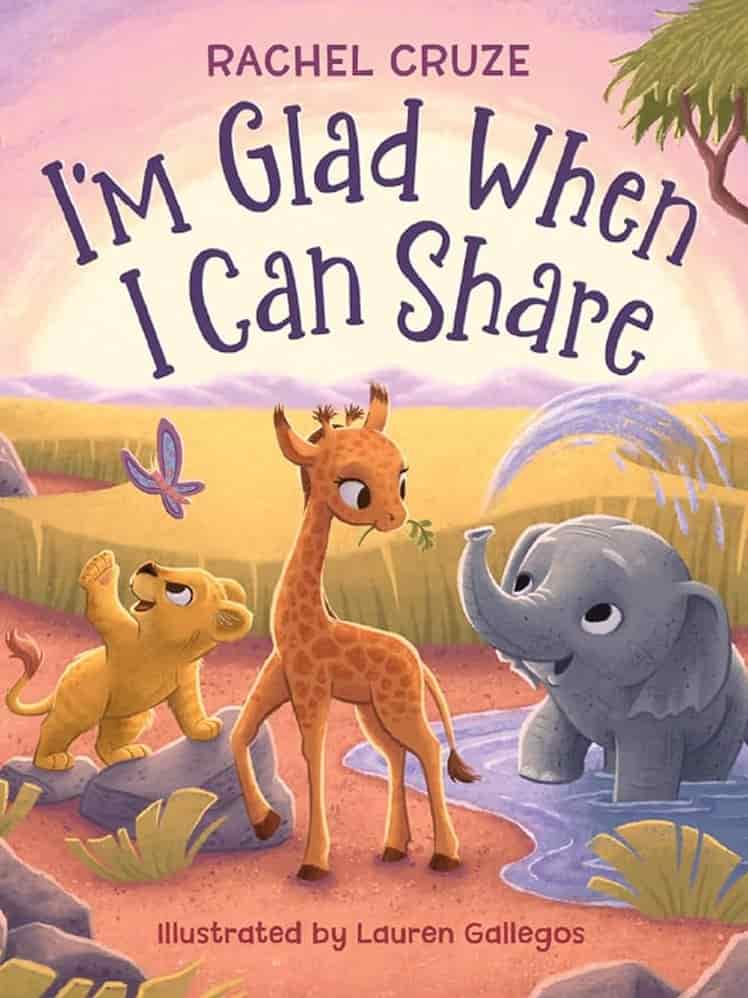
I'm Glad When I Can Share
A simple picture book about the joy of sharing, a good first step before introducing a give jar.
Ages 6 to 12: budgeting and goals
Stories with a goal, a plan and a budget, for kids ready to manage some money of their own.
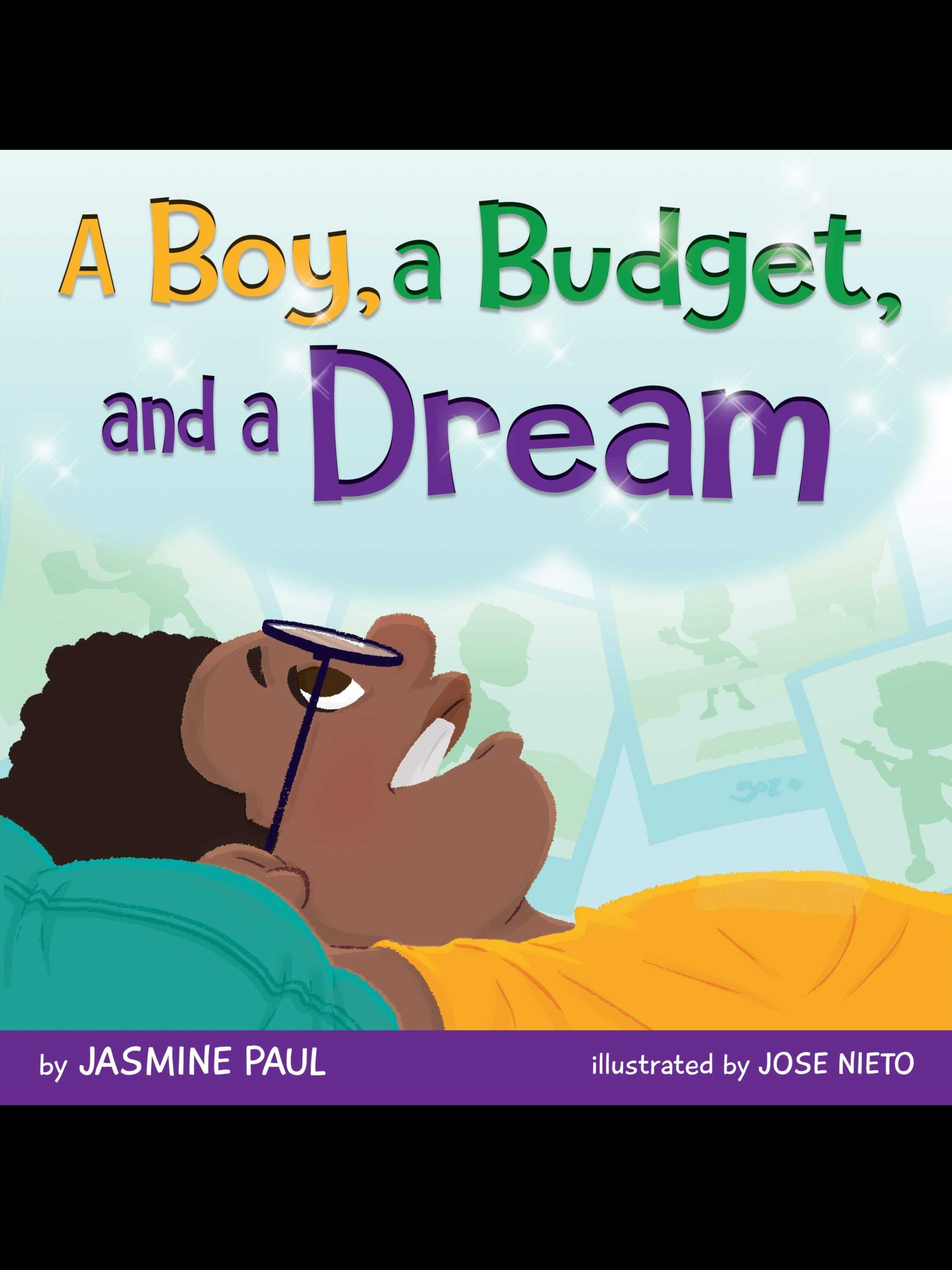
A Boy, a Budget, and a Dream
A boy sets a goal, makes a budget and works toward his dream. It covers saving, goal-setting and a little entrepreneurship in an easy-to-follow story.
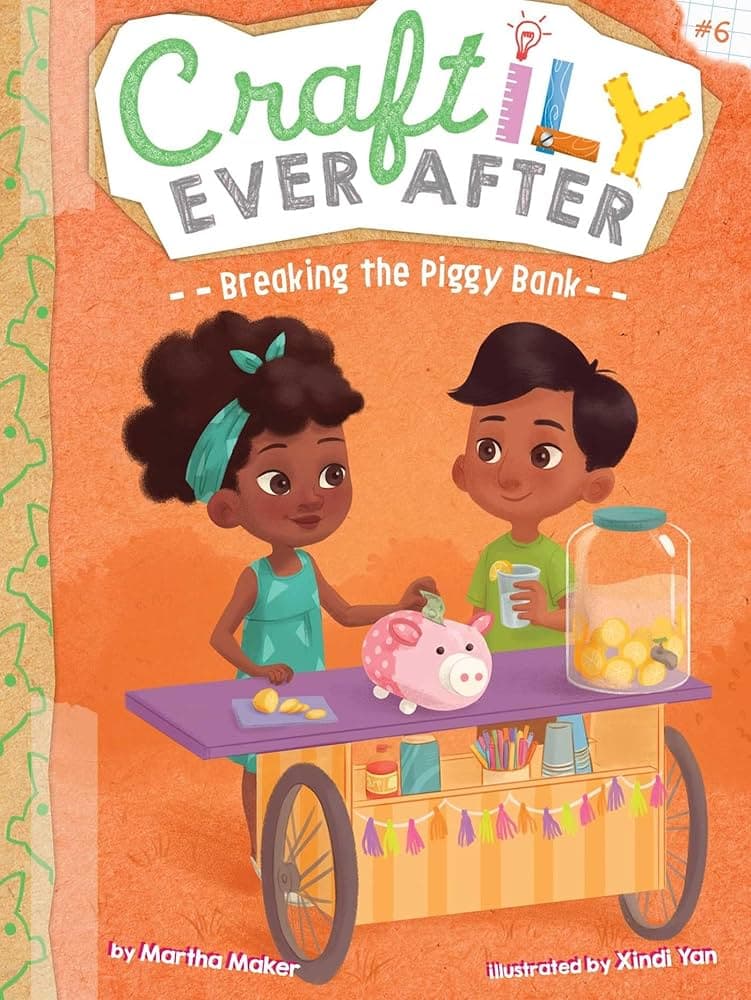
Breaking the Piggy Bank
Goes further than most kids' books, from saving and budgeting to beginner investing, with practical exercises. Some sections suit 10 and up better than younger readers.
For parents: guides and kits
If you want a plan, not just a story, these give you structure and activities.
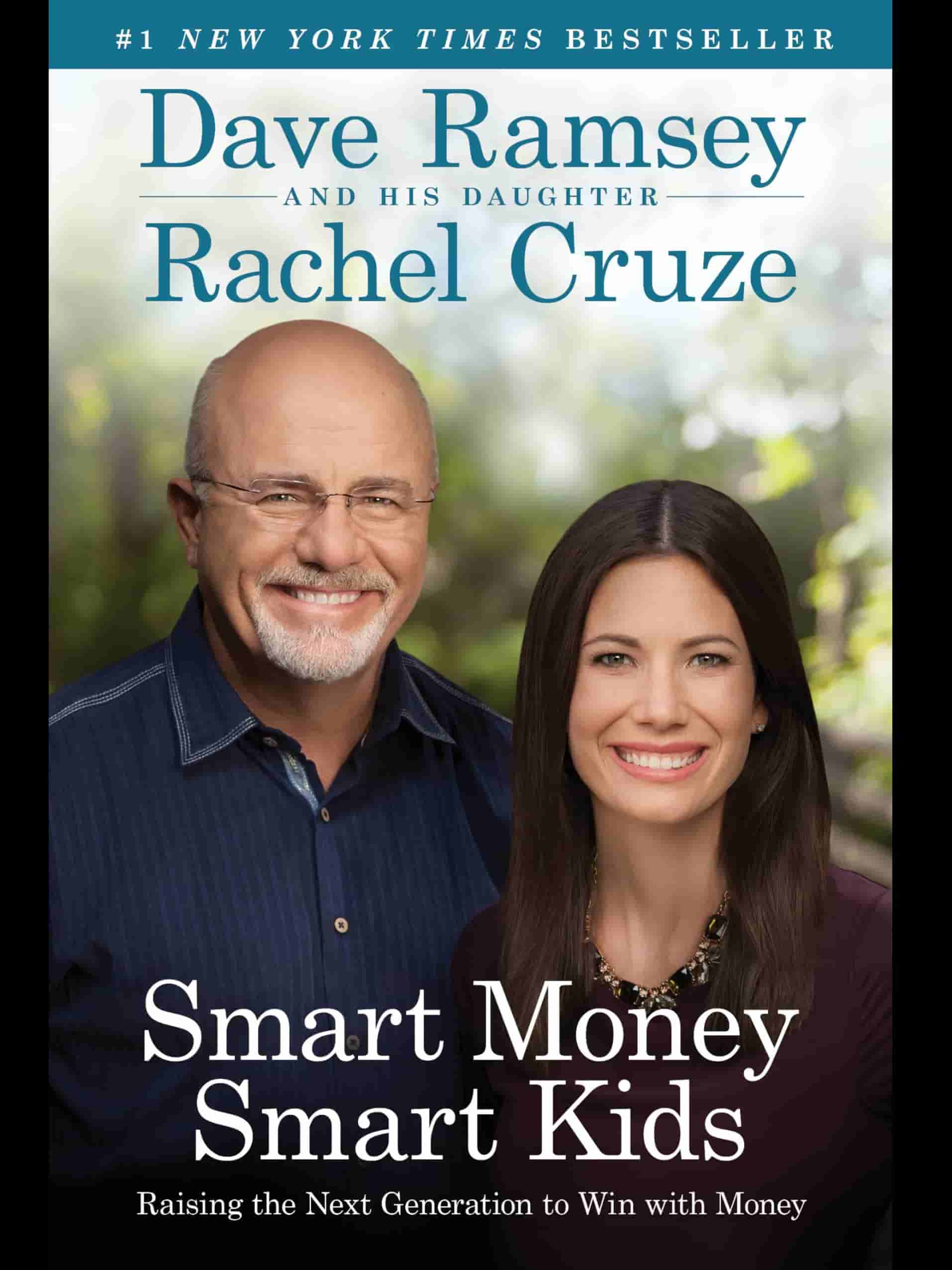
Smart Money Smart Kids
A structured guide for parents with age-by-age lessons on earning, budgeting, spending, giving and avoiding debt. It needs your involvement to work.

Financial Peace Kids Kit
Stories plus physical tools like an envelope system and chore charts, so young kids practice saving and spending with real money.
Frequently asked questions
What age should kids start learning about money?
Around 3 to 5 is a good time to start with simple ideas like coins having value, money being earned, and saving for something you want. Picture books such as Junior's Adventures Storytime Collection or But I've Used All My Pocket Change work well at this age.
What is the best book to teach kids about saving?
For young kids, But I've Used All My Pocket Change makes saving and waiting easy to understand. For ages 6 to 12, A Boy, a Budget, and a Dream shows how saving connects to a goal.
Are there money books for kids that cover investing?
Most children's books stop at saving and budgeting. Breaking the Piggy Bank introduces beginner investing and suits kids around 10 and older.