Ages 2-6
Hardcover
N/A
English
2023-11-07
9798887820163
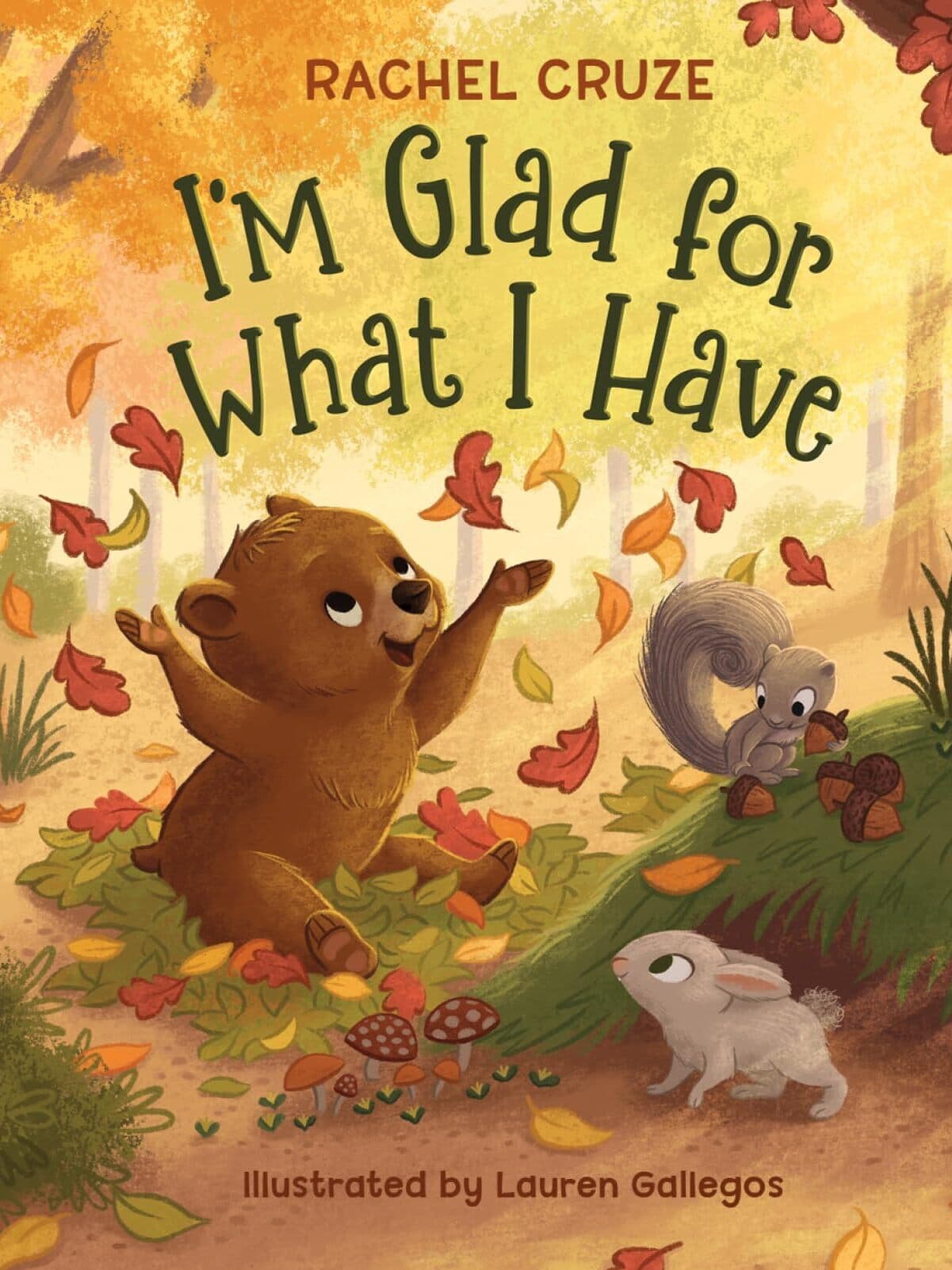
I'm Glad for What I Have
by Rachel Cruze
Reviewed by Alex Thompson, founder of Kids Financial Guide · Updated October 2026
Rachel Cruze's I'm Glad for What I Have is a beautifully illustrated story that introduces kids to the idea that happiness isn't about having more stuff—it's about appreciating what's already in front of them. With engaging animal characters and a simple yet meaningful message, this book serves as a conversation starter for parents who want to instill financial values in their young children without overwhelming them with numbers or budgeting talk. While it's not a deep dive into personal finance, it lays an essential emotional foundation for future money habits.
Ratings
Educational Value
Engagement
Clarity
Practical Application
Value For Money
What Kids Will Learn
- 1Understanding the importance of gratitude over materialism
- 2Recognizing the value of appreciating what one has
- 3Developing an early foundation for future financial discussions
Parental Guidance
- Best for ages 2-6 (publisher's range)
- No concerning content
- Promotes positive values
Full Review
Rachel Cruze's I'm Glad for What I Have is a warm, simple picture book about contentment. A cast of animals from land and sea discovers that real happiness doesn't come from having more stuff, but from appreciating what they already have. It's a gentle way to introduce gratitude as a money value, and contentment really does make later lessons about saving and spending easier.
At 32 pages it fits easily into a bedtime routine, and the bright illustrations give small children plenty to look at and talk about. However, if you're looking for a hands-on financial lesson with activities or specific money skills, this isn't it. The book is about setting a mindset, not about saving strategies or allowance management.
That said, it's a pleasant way to plant the seed for future money conversations. If you want your little one to start with appreciation rather than accumulation, this book is a good place to begin.
Our Verdict
Our take: this is a good first step into money values for preschoolers, not a money-skills book. It teaches gratitude and contentment well and keeps the message short enough to reread often. Pair it with a simple save-and-spend jar or a gratitude habit at home to turn the idea into practice.
I'm Glad for What I Have: our in-depth review
What the book teaches
This was Rachel Cruze's first illustrated picture book, and it keeps its focus narrow on purpose. A group of animal friends learns that feeling happy does not come from piling up more things. It comes from noticing and enjoying what is already theirs. There are no coins to count or budgets to fill in. The lesson is about the feeling underneath money choices, which is the part that is hardest to teach later.
Spending, saving and giving show up only in a soft, general way. The story nudges children to tell the difference between something that matters to them and a passing want, and it hints that good things are worth looking after and that giving back feels good. Think of it as the attitude that makes later lessons on allowance or saving goals easier to accept, rather than a lesson on those skills itself.
Because the book has 32 pages and one simple message, it reads in a few minutes. That short length is a strength. You can return to it often, and the message lands a little deeper each time.
Reading it together
Let your child spend time on the pictures before you turn each page. The illustrations carry much of the meaning, and small children often notice what a character is feeling before they can explain it. Ask them to point to the moment a character seems happiest and talk about why.
A few questions that work well after reading: What did the animals want at the start? Did getting more things make them happier? What is one thing in your room you are glad you have? Is there something you wanted a lot that you hardly play with now? Keep the tone curious rather than preachy. The aim is for your child to reach the idea on their own.
It also helps to share your own answer. Saying something like, I am glad for our cozy kitchen even though it is small, shows that grown ups practice contentment too, and that it is not only a rule for kids.
Activities to try at home
The book has no worksheets of its own, so the follow-up is up to you. A simple gratitude habit is the natural next step. At dinner or bedtime, have each person name one thing they are glad for that day. For a child who likes to draw, keep a small gratitude notebook where they add a picture every few days.
Try a toy rediscovery afternoon. Pull out a box of toys that have been forgotten in a closet and play with them together. Children are often surprised by how fun an old toy feels, which makes the book's message real. You can follow it up by choosing one or two items in good shape to pass on to another child, which gently introduces giving.
When the I want that moments come at a store, you can refer back to the story. Ask, remember the animals in our book? Do we need this, or are we already glad for what we have at home? Used kindly, the book becomes a shared shorthand rather than a lecture.
Who it's best for
The publisher recommends this book for ages 2 to 6, so it fits toddlers and preschoolers who are just starting to understand sharing and wanting, and it still lands with kindergartners. The sturdy hardcover holds up to repeated readings by small hands. Older early readers can read it aloud to a parent or younger sibling, which turns it into a confidence booster as well.
It is the right pick if you want to start money conversations with values before mechanics, or if your child is going through a phase of wanting everything they see. If you are looking for hands-on money skills such as counting coins or setting savings goals, pair it with a more practical book or a simple save and spend jar system. As a first step toward a healthy relationship with money, it does its small job well.
Featured in our guides
Related Resources