Ages 8-12
Paperback, eBook
142
English
2020-12-15
9781647398767
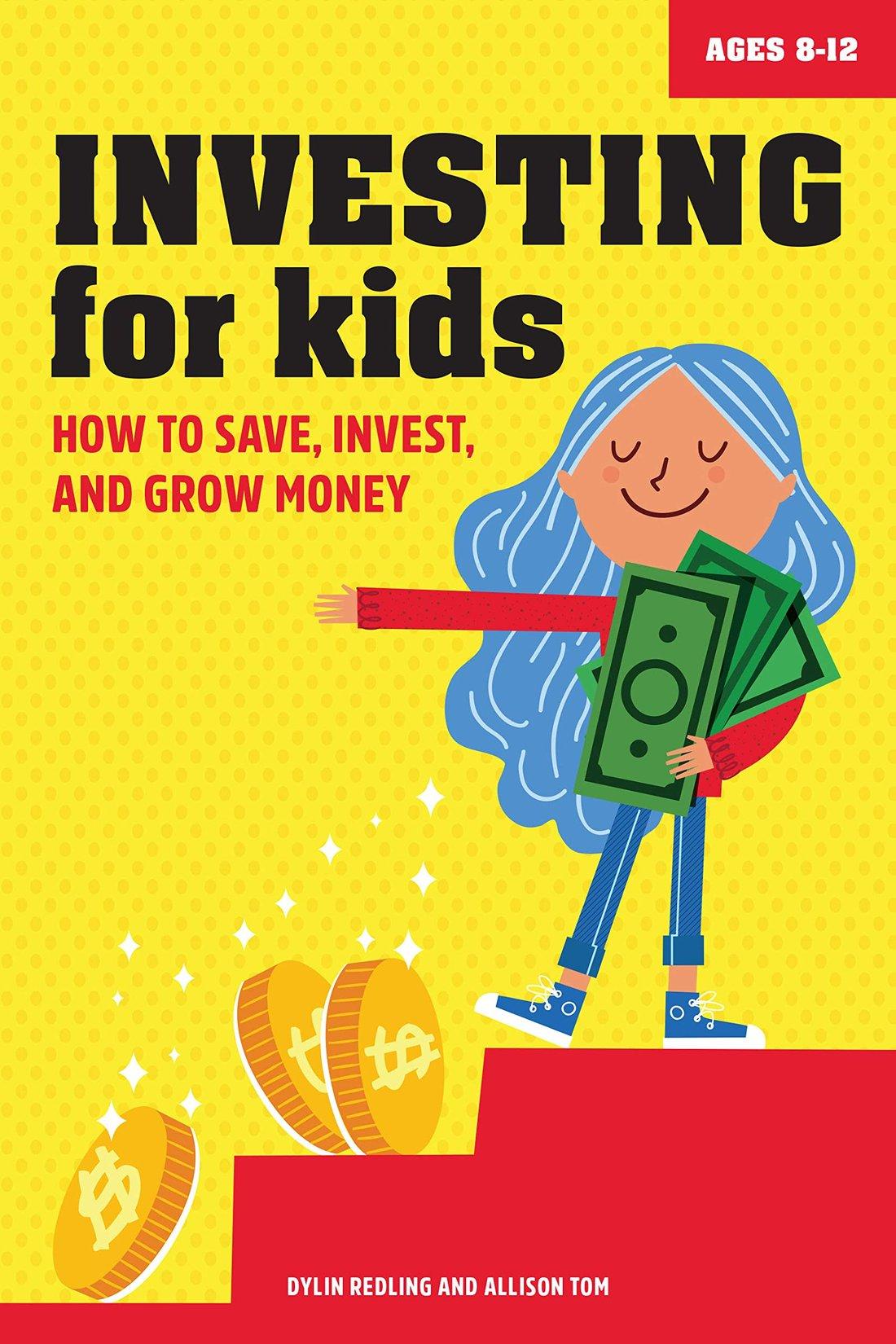
Investing for Kids: How to Save, Invest, and Grow Money
by Dylin Redling and Allison Tom
Reviewed by Alex Thompson, founder of Kids Financial Guide · Updated November 2026
The short answer
Investing for Kids is our pick for a younger first investing book: it explains saving, stocks, bonds, risk and diversification for ages 8 to 12 in 142 pages for $12.99. Read it together, because stocks can lose value and the online trading pages need a parent's view on risk.
| Ages | 8-12 (publisher) |
|---|---|
| Price | $12.99 paperback (list price; shop prices vary); also an eBook |
| Length | 142 pages, nonfiction with activities |
| Edition | First edition, Rockridge Press (Callisto Kids), December 2020 |
| Covers | Earning and saving, stocks, bonds, risk and reward, diversification, impact investing, online trading, famous investors |
| Authors | Dylin Redling and Allison Tom, a married couple who reached financial independence in 2015 and run the Retire By 45 website |
Investing for Kids: How to Save, Invest, and Grow Money is a beginner's guide to investing for ages 8 to 12 by Dylin Redling and Allison Tom, a married couple who reached financial independence in 2015 and run the Retire By 45 website. Published by Rockridge Press under its Callisto Kids imprint in December 2020, it covers earning and saving, stocks and bonds, risk and reward, diversification, impact investing and online trading, guided by two characters, Mr. Finance and Investing Woman, with activities for kids and parents.
Ratings
Educational Value
Engagement
Clarity
Practical Application
Value For Money
What Kids Will Learn
- 1How to earn money and start a savings plan
- 2What stocks and bonds are
- 3Why higher possible rewards come with higher risk
- 4Why diversifying, or not putting all your eggs in one basket, lowers risk
- 5How money can grow over time
Parental Guidance
Tips for using this book:
- Read the book together and discuss the financial concepts presented
- Use the book as a starting point for conversations about money management
- Try out some of the activities and exercises with your child
- Connect the book's lessons to real-world experiences in your family
Full Review
Most investing books for kids are aimed at tweens and teens. Investing for Kids starts younger, at 8, and keeps its focus on investing itself. Dylin Redling and Allison Tom, who run the Retire By 45 website about reaching financial independence, use two guide characters, Mr. Finance and Investing Woman, to walk kids from earning and saving into stocks, bonds, risk and reward, and diversification. It also introduces impact investing and online trading, uses stories of famous investors and historical events, and includes activities to do together. The result is a friendly, practical first look at how money can grow. Two things to know as a parent: the online trading pages are the part that most needs your input, since quick trading is risky and kids can't trade on their own; and the book says less about earning, budgeting and spending, so pair it with a book or habit that covers those. For an 8- to 11-year-old asking what investing is, it is a strong place to start.
Our Verdict
Our take: the best first investing book we have found for 8- to 11-year-olds, and a good alternative to How to Turn $100 into $1,000,000 for younger readers. Do the activities together, and use the risk and online trading pages to set your family's rules: investing is slow and long-term, and it happens in an account you control.
Investing for Kids: How to Save, Invest, and Grow Money: our in-depth review
What the book teaches
Investing for Kids starts with earning money and making a savings plan, then moves on to the main ways people invest: stocks, which are small pieces of ownership in a company, and bonds, which are loans to a company or government that pay interest. Along the way kids meet risk and reward and diversification, the idea that spreading money across many investments lowers the chance of losing a lot at once. It lowers risk but does not remove it.
Two characters, Mr. Finance and Investing Woman, guide readers through the chapters. The book also introduces newer ideas such as impact investing (choosing companies for the good they do as well as their profits) and online trading, and uses stories of famous investors and historical events to make the ideas concrete. Remind your child that famous investors are standout stories, not what usually happens.
Talking about risk and online trading
This is the part of the book that most needs you. Stocks can go down as well as up, and nothing is guaranteed. Money in a savings account at an FDIC-insured bank is protected (the US government insures bank deposits up to $250,000 per depositor, per bank, for each account ownership category, if the bank fails), but investments are not, and savings accounts usually earn less over the long run.
Online trading apps make buying and selling feel like a game. Explain that investing works best slowly, over years, and that quick trading is closer to guessing. Kids can't open a brokerage account themselves; any real investing happens in a custodial account a parent opens and controls. Money put in is a permanent gift that legally becomes the child's, and they take control of it usually at 18 or 21 depending on your state, or later (up to 25, or 30 in Wyoming) if the account was set up that way.
Tell your child that anyone online promising to make their money grow fast, or asking them to send money, gift cards or crypto, is running a scam.
Reading it together
Read a chapter at a time and do its activity together. The ideas build on each other, so it helps to go in order the first time and come back to the risk chapter later.
Questions to talk about: What is a company you know well that you might want to own a tiny piece of? Why might a stock go down? Why is it safer to own a little of many companies than a lot of one? What would you rather invest in, and why?
For a hands-on start tonight, try a pretend exercise, not a list of what to buy: pick three companies your child knows, such as the maker of a favorite snack, toy or game, and check that each is listed on a stock exchange. Look up each share price together on a plain quote page rather than a trading app, check again once a week for a month, and talk about why the prices moved and why one month tells you very little.
Who it's best for
The publisher recommends it for ages 8 to 12. It is ideal for a curious 9- to 11-year-old who has some savings and asks what investing means. An 8-year-old can enjoy it with a parent reading along.
For a 10- to 14-year-old who also wants earning, first jobs and starting a business, our review of How to Turn $100 into $1,000,000 is a better fit. If your child finishes this book and wants to try investing, open a small custodial account together and start with money they can afford to see go down, or keep a pretend portfolio on paper, which teaches most of the same ideas for free. Check your public library before you buy; there is one edition, from 2020.
Frequently asked questions
What age is Investing for Kids for?
The publisher, Rockridge Press, recommends it for ages 8 to 12. It fits 9- to 11-year-olds best, and an 8-year-old will get more from it with a parent reading along and doing the activities together.
Investing for Kids or How to Turn $100 into $1,000,000: which should I pick?
Pick Investing for Kids for an 8- to 11-year-old who wants to know what stocks and bonds are; it focuses on investing itself. Pick How to Turn $100 into $1,000,000 for a 10- to 14-year-old who also wants earning, first jobs and starting a business.
Can my child actually start investing after reading Investing for Kids?
Not on their own. Kids can't open a brokerage account; a parent opens and controls a custodial account, and the money legally becomes the child's. Start small, with money your child can afford to see go down, because stocks can lose value. If real investing isn't right for your family now, a pretend portfolio on paper teaches most of the same ideas.
Does Investing for Kids talk about online trading apps?
Yes, it introduces digital trading alongside impact investing. Use those pages to talk about why quick buying and selling is risky and why kids should never trade, or send money, through an app without you.
Related Resources