Ages 4-8
Hardcover
N/A
English
2020-11-09
9781736733516
A Boy, a Budget, and a Dream
by Jasmine Paul
Reviewed by Alex Thompson, founder of Kids Financial Guide · Updated October 2026
As an Amazon Associate, Kids Financial Guide earns from qualifying purchases. It never affects our reviews.
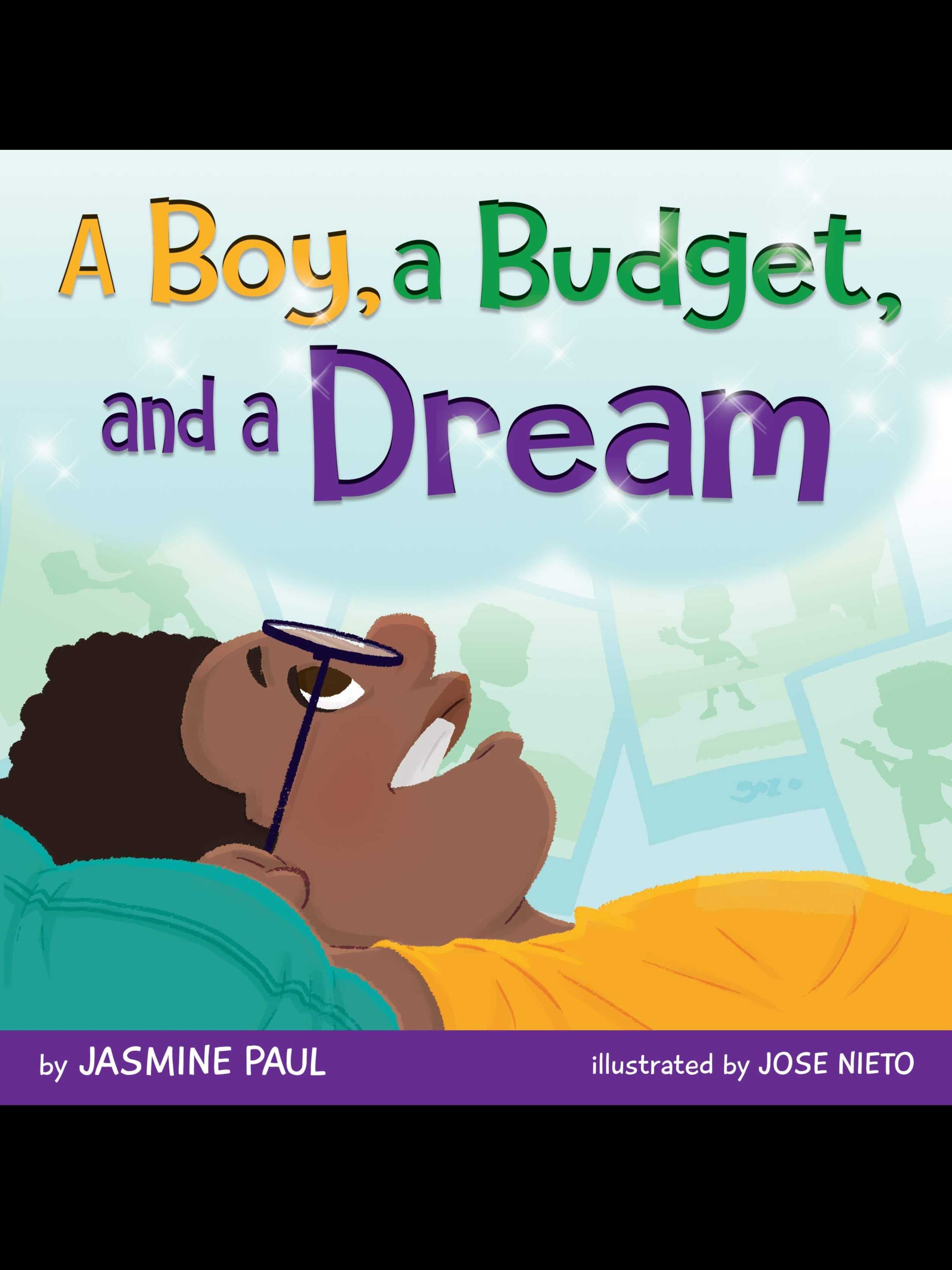
A Boy, a Budget, and a Dream, written by Jasmine Paul and illustrated by José Nieto, follows two siblings with very different money habits. Kass budgets carefully; her brother Joey spends every dollar he earns. When Joey realizes he hasn't saved enough for something he wants, he has to learn to budget or give up his dream. It is a short, story-first way to start talking with young children about saving, spending and goals.
Ratings
Educational Value
Engagement
Clarity
Practical Application
Value For Money
What Kids Will Learn
- 1Understanding the basics of budgeting and saving
- 2Setting and working toward a savings goal
- 3Seeing the difference between spending everything now and saving for later
- 4Building a positive relationship with money from a young age
Parental Guidance
Tips for using this book:
- Read the book together and discuss the financial concepts presented
- Use the book as a starting point for conversations about money management
- Try out some of the activities and exercises with your child
- Connect the book's lessons to real-world experiences in your family
Full Review
A Boy, a Budget, and a Dream is a friendly introduction to budgeting for young kids. Jasmine Paul builds the story around two siblings: Kass, who plans her money, and Joey, who spends it as fast as he earns it. That simple contrast makes the idea of a budget easy for children to grasp, and José Nieto's illustrations keep the pages lively.
The publisher's listing puts it at ages 4 to 8, and that feels right; older kids who already save may find it simple. It doesn't cover bigger topics like investing, so treat it as a starting point and let the questions it raises lead into your own family conversations. If you want a gentle, story-first way to introduce saving for a goal, it's a good pick.
Our Verdict
Our take: this is a solid first book about budgeting for children around 4 to 8. The saver-and-spender sibling story makes the idea concrete without lecturing, though older kids may find it basic. Pair it with a real savings goal at home and it does its job well.
A Boy, a Budget, and a Dream: our in-depth review
What the story teaches
A Boy, a Budget, and a Dream sets two siblings side by side. Kass budgets her money carefully, while her brother Joey spends every dollar he earns. When Joey realizes he hasn't saved enough for something he really wants, he has to figure out what a budget is and why it matters, or risk losing his dream.
The lessons stay grounded in everyday life rather than fantasy. Children see money coming in, choices about where it goes, and the slow work of putting some aside for a bigger goal. The contrast between the two siblings does a lot of the teaching on its own, because kids quickly recognize which one is going to have an easier time reaching their dream.
Underneath the budgeting lesson is a message about patience and planning. Joey's dream is not handed to him; it becomes possible once he changes how he handles his money, which is a hopeful and empowering idea for young readers.
Reading it together
Before you start, ask your child whether they think they are more like a saver or a spender. Come back to that question at the end and see if their answer has changed. It keeps the story personal without putting anyone on the spot.
Questions to try along the way: What does Kass do differently from Joey? Why does Joey keep running out of money? What is Joey's dream, and what would you save up for if you could choose anything? What is one thing Joey could give up so he has more for his goal? How do you think Kass feels watching her brother?
If your child gets restless, let them predict what Joey will do next before you turn the page. Younger children often enjoy guessing, and it keeps them thinking about the choice he faces.
Activities to try at home
Build a first budget together. Give your child a small amount of play money or real allowance and three labeled jars or envelopes: one for spending now, one for saving toward a goal and one for later or for sharing. Have them decide how to split it, then revisit the split a week later and talk about how it worked.
Make a dream poster. Ask your child to pick a goal, draw it at the top of a sheet of paper, and mark a simple thermometer or ladder underneath that they color in each time they add to their savings. Seeing progress is often what keeps kids going, just as it does for Joey.
Try a quick role-play where you play a shopkeeper and your child has a set amount to spend. Offer tempting small items near the register and see whether they can stick to their plan. Afterward, talk about what was hard and what helped.
Who it's best for
The book works best for early elementary children who are just starting to get money of their own, whether from allowance, gifts or small jobs. Younger kids will enjoy the sibling story, and kids up through the middle elementary years can use it as a springboard for setting real goals.
Older children who already understand saving may find it simple, and it does not go into deeper topics like investing. It is a particularly good fit for families who have a natural spender in the house, since Joey's turnaround offers an encouraging example rather than a scolding one.
A nice way to use it is as the starting point for a family money habit. Read it the week you begin an allowance or set a first savings goal, then pull it back out a month later to compare your child's progress with Joey's. Kids often enjoy seeing that they have become a little more like Kass.
Featured in our guides
Related Resources