Ages 2-6
Hardcover
N/A
English
2024-11-19
9798887820439
I'm Glad When I Can Share
by Rachel Cruze
Reviewed by Alex Thompson, founder of Kids Financial Guide · Updated October 2026
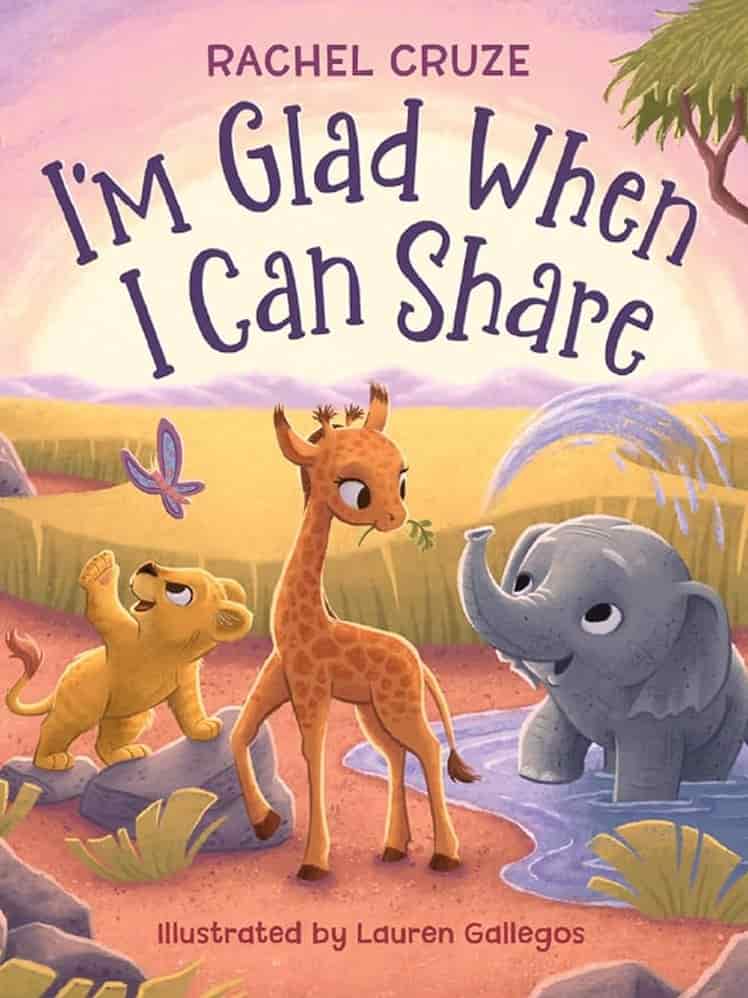
I'm Glad When I Can Share is a 32-page hardcover picture book by Rachel Cruze, illustrated by Lauren Gallegos, and the third book in her I'm Glad series from Ramsey Press. Small animals in the ocean, the forest and on the African plain start out sure that keeping their toys to themselves will make them happy, and discover that sharing is what brings real joy. It is a values story rather than a money book, but generosity is the giving part of a child's later money habits.
Ratings
Educational Value
Engagement
Clarity
Practical Application
Value For Money
What Kids Will Learn
- 1Understanding that sharing can bring happiness
- 2Seeing generosity as a choice, the first step toward giving money later
- 3Encouraging kids to think about others when making decisions
Parental Guidance
Tips for using this book:
- Read the book together and discuss the financial concepts presented
- Use the book as a starting point for conversations about money management
- Try out some of the activities and exercises with your child
- Connect the book's lessons to real-world experiences in your family
Full Review
I'm Glad When I Can Share is a gentle, easy-to-read picture book about learning to share. Rachel Cruze's story and Lauren Gallegos' bright animal illustrations suit children around 2 to 6 who are still working out how to share toys and treats.
The book stays with one lesson. The animals share toys, not money, so it does not touch saving, spending or earning. Parents who want a money book will need something else alongside it; parents who want a warm way to start talking about generosity will find it does that well.
At $19.99 list price for a 32-page hardcover it is not cheap, though retailers often sell it for less. It works best as a conversation starter: read it, then give your child a real chance to share or give.
Our Verdict
Our take: this is a values book, not a money book, and that is fine for toddlers and preschoolers. Generosity is the giving part of a child's future money habits, and the story makes it feel good rather than like a rule. Pair it with a simple give jar once your child starts handling coins.
I'm Glad When I Can Share: our in-depth review
What the book teaches
This picture book tells one continuous story with a clear arc. Little animals in the ocean, the forest and on the African plain start out holding tightly to their toys, sure that playing with them alone will make them happy. By the end, sharing is what brings the joy they were looking for. There are no chapters or separate lessons, just one gentle journey from keeping to giving.
The story uses repetition to make its point. Page after page returns to the idea that sharing feels better than hoarding, which suits young listeners who learn through hearing the same message many times. The characters' choices model the behavior, so children see generosity in action rather than being told about it.
Like the other books in this series, it stays with traditional, values-based lessons. It does not cover earning, spending decisions or how money works. Think of it as the giving part of a money education, introduced early, before a child even handles coins.
Reading it together
Pause at the point where the animals are holding on to their toys and ask how your child thinks they feel. Then ask again near the end, once they have started sharing. Noticing that change in mood is the heart of the book.
Good questions to try: Why did the animals not want to share at first? What changed their minds? Can you remember a time someone shared with you? How did it feel? What is something you could share tomorrow? Keep it light. If your child admits they did not want to share something recently, that is a great, honest starting point rather than something to correct.
If your child takes to the characters, a quick reminder of the story during a playdate squabble can work better than a rule.
Activities to try at home
The easiest bridge from the story to real money is three jars labeled give, save and spend. Let your child drop a few coins into the give jar, then decide together where that money will go.
Sharing can start well before money. Set up a sharing snack where your child divides a plate of fruit or crackers among the family. Or try a toy share day with a sibling or friend, where each child picks one favorite toy to lend for the afternoon. Talk afterward about how it went, including the hard parts.
You can also make giving visible. Let your child help pick out food for a donation drive, or choose a book they have outgrown for another child. Connecting the story's warm feeling to a real act of giving helps the lesson last.
Who it's best for
Christianbook lists this book for ages 2 to 6, roughly toddlers through kindergarten. It works best for children who are still learning to share toys and treats. The publisher notes it is not a board book, but the thick pages and sturdy hardcover hold up to repeat readings by small hands.
Older children may find the story too simple, and anyone looking for lessons on saving or earning will need another resource alongside it. It is the third book in the series, after I'm Glad for What I Have, which covers gratitude and contentment, and I'm Glad for Where I Am. Read together, they give young children a warm, values-first foundation for future money conversations.
Featured in our guides
Related Resources