
Best Money Games for Kids
By the Kids Financial Guide team · Updated October 2026
The short answer
Monopoly Junior is the best first money game for ages 5 and up because it teaches counting and paying. Money Match is best for learning coins, and Cashflow for Kids teaches bigger ideas like assets and passive income for ages 7 to 12. For teens, Money Magic is a free budgeting game that plays in about 15 minutes.
Games let kids practice money decisions with no real cost. Counting change, deciding whether to buy, and running out of money all happen naturally in play, and kids ask to play again.
We reviewed each game for what it teaches, how fun it is, and how much a parent needs to help.
How to choose
- For ages 5 to 7, pick games about counting and recognizing money.
- From 7 up, look for games with real choices: buying, saving, and what happens when money runs out.
- Play along the first few times. The game teaches the rules, but your questions afterwards teach the money lesson.
Board games
Family games that teach counting, budgeting and planning.
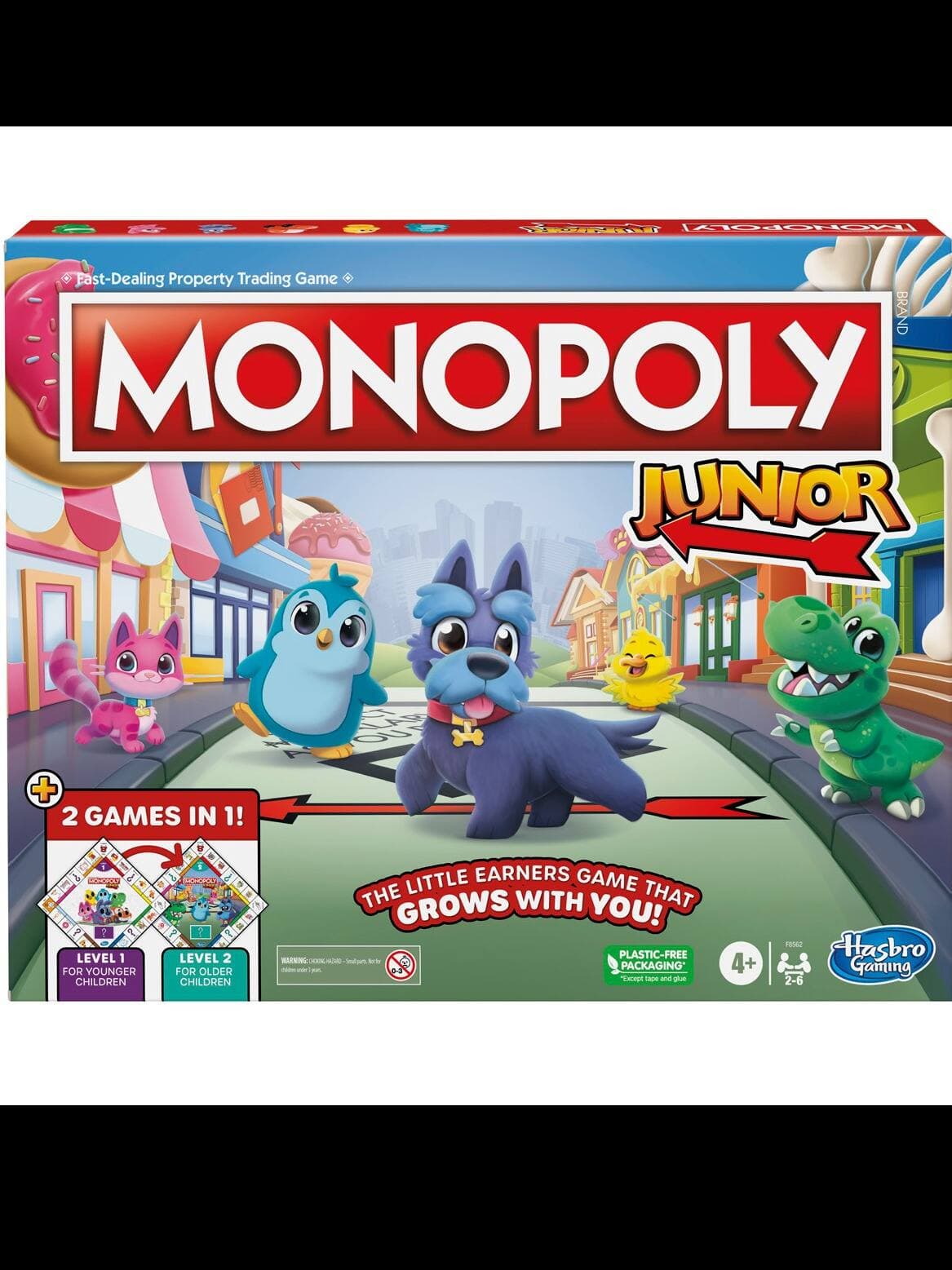
Monopoly Junior
A simplified Monopoly that young kids can play on their own, with lots of counting and paying. The forced-purchase rule means fewer real decisions.
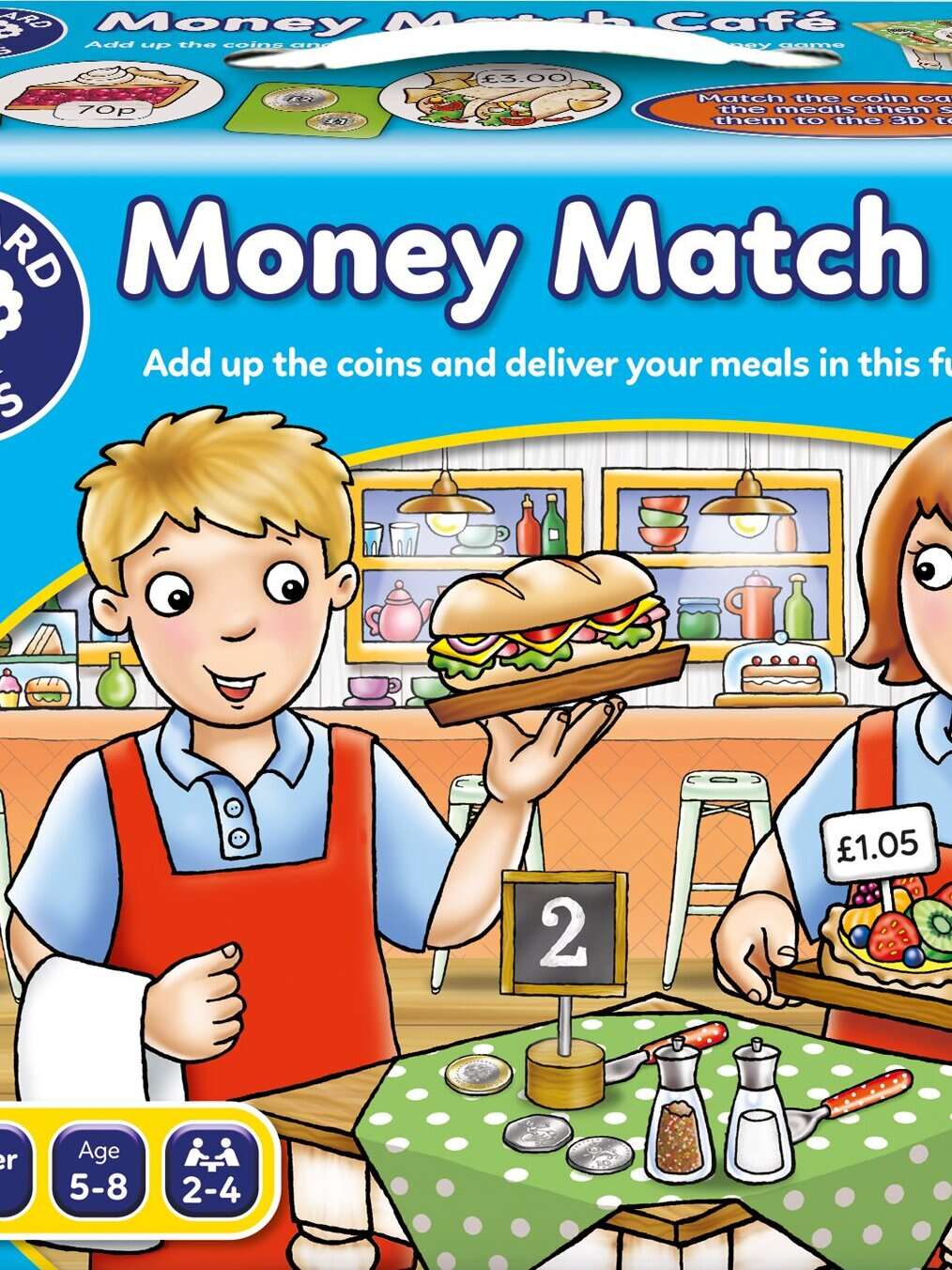
Money Match
Kids match coin values to meal prices, which builds money recognition and basic arithmetic in a colorful, social game.
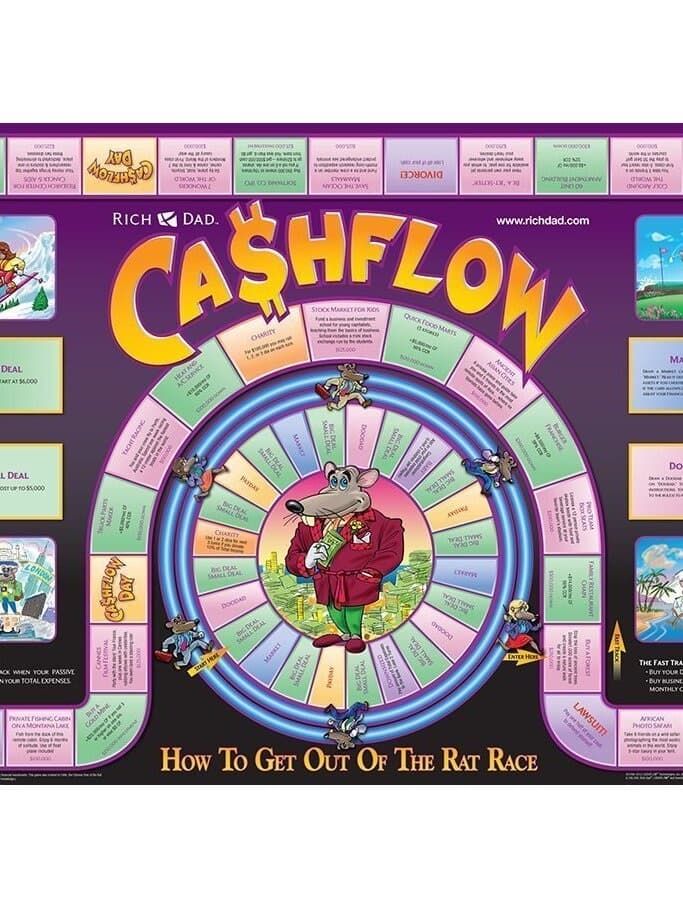
Cashflow for Kids
Introduces assets, liabilities and passive income, ideas most kids' games skip. Setup takes some time, and kids will need a parent to explain a few concepts.
For teens
A free option for older kids ready to manage a budget.
Money Magic
A free simulation where players manage the finances of a magician, with strong real-world budgeting practice. Built for ages 14 to 18.
Frequently asked questions
What board game teaches kids about money?
Monopoly Junior is the easiest start for ages 5 and up. Money Match is best for learning to count coins, and Cashflow for Kids teaches bigger ideas like assets and passive income for ages 7 to 12.
Is Monopoly Junior good for learning money?
Yes for counting and paying, which suits ages 5 and up. Its rules force players to buy where they land, so it teaches fewer spending decisions than games built around choices.