Money Magic
By Next Gen Personal Finance | Ages 14-18
Reviewed by Alex Thompson, founder of Kids Financial Guide · Updated October 2026
- Engaging and interactive gameplay
- Strong real-world budgeting applications
- Free and easily accessible
- Limited replayability once objectives are mastered
- Might be too structured for students who prefer open-ended learning
Topics Covered
Format
Free browser game
Age Appropriateness
This resource is recommended for children aged 14-18 years.
Players
1 to 1 players
Playtime
About 15 minutes
Game Type
Digital Game
Parental Involvement
Low
Release Date
January 2020
Our rating out of 5
Money Magic: our in-depth review
How a game plays
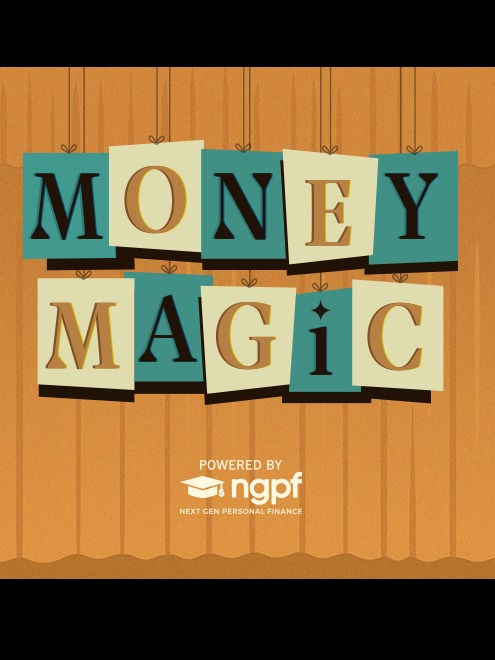
Money Magic is a free budgeting game from Next Gen Personal Finance, a nonprofit that makes free personal finance materials for teachers. It was released in January 2020 and was created for NGPF by the agency McKinney. The player's job, in NGPF's words, is to help a magician named Enzo "manage his budget, reach his savings goal, and make it to Vegas."
Along the way, players split Enzo's money across competing costs. New magic tricks are tempting, Enzo himself is not cheap to keep happy, and every dollar spent now is a dollar not saved for the big Vegas show. Choices made early ripple forward, so overspending in one place can leave the act short later.
It is a single player game, and NGPF lists a play-through at about 15 minutes. Because it is digital and self-guided, a teen can pick it up without a parent explaining the rules.
The money lessons inside
At its core, the game is a lesson in balancing income against expenses. Players quickly learn that every dollar has to go somewhere, and that saying yes to one category means giving less to another. That is the real skill behind any budget, and the magician story makes it feel like a puzzle instead of a worksheet.
It also teaches the patience of saving toward a big goal while still covering day-to-day costs. Enzo's tempting trick purchases stand in for the wants that compete with a savings goal, which is a tension every teen recognizes.
The game is popular with teachers: NGPF ranked it among its most-played arcade games of 2025. Its structured design keeps the lessons focused, though some players may find it less interesting to replay once they have figured out a winning approach.
Getting more learning out of game night
Sit with your teen for a few minutes after they finish and ask them to walk you through their choices. Useful questions: What did you cut when money got tight? Which purchases were hardest to skip? Was the Vegas savings goal hard to protect? What would you do differently on a second run?
Then make it personal. Ask your teen to list their own income, whether that is an allowance, a part-time job or gift money, and sort their spending into the same kinds of buckets Enzo had. Which of their costs are fixed, like a phone plan, and which change month to month? Do they have anything set aside for surprises?
A natural next step is a real savings goal with a deadline, such as a concert, a trip or a big purchase. Have them work backward to figure out how much to set aside each week, just as they did for Enzo's big show, and check in on progress together.
Who it's best for
NGPF's materials are aimed at middle and high school classrooms and the game does not state its own age range. Our suggestion is ages 14 to 18, though a motivated middle schooler can manage it with a little help. It is a good fit for any teen who can handle a bit of arithmetic and is starting to earn or manage their own money.
Because it is free and needs little adult setup, it is an easy first step for families who want to introduce budgeting without buying anything. It runs in a web browser with no app to install and no real money involved. Students do not sign up for NGPF accounts, and NGPF's privacy policy says it does not collect personal information from children under 13 and does not knowingly sell personal information for marketing. The game itself is hosted on its own site, playmoneymagic.com, which NGPF's policy does not cover. Teens who prefer open-ended games may enjoy it most as a one or two time challenge, followed by a real-life budgeting project.
Related Resources