Ages 3-7
Hardcover
N/A
English
2012
9780803737280
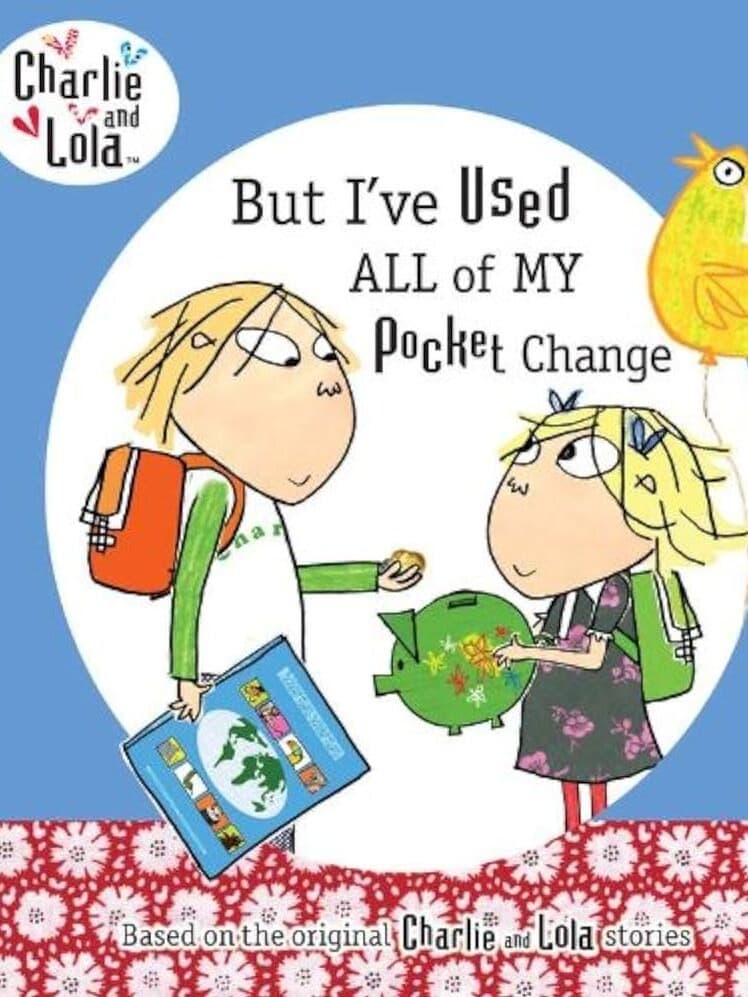
But I've Used All My Pocket Change
by Lauren Child
Reviewed by Alex Thompson, founder of Kids Financial Guide · Updated October 2026
In But I've Used All My Pocket Change, Lola has money for a new toy from the zoo gift shop, but she spends a little here and a little there until there isn't enough left. Charlie shares his money with her, then can't buy the book he wanted, and Lola sets out to save everything, from a tangerine to her pocket change, so she can help him next time. The text is based on a script by Carol Noble for the Charlie and Lola TV series, with pictures taken from the animation. It is a short, funny first look at spending, saving and sharing for preschoolers and early elementary children.
Ratings
Educational Value
Engagement
Clarity
Practical Application
Value For Money
What Kids Will Learn
- 1Understanding that money is finite and needs to be managed
- 2Recognizing the importance of saving for desired items
- 3Developing decision-making skills related to spending choices
- 4Learning the concept of delayed gratification
Parental Guidance
Tips for using this book:
- Read the book together and discuss the financial concepts presented
- Use the book as a starting point for conversations about money management
- Try out some of the activities and exercises with your child
- Connect the book's lessons to real-world experiences in your family
Full Review
Lauren Child's But I've Used All My Pocket Change is an absolute delight for young readers and parents alike. Following Lola's innocent yet relatable struggles with running out of money, the book introduces foundational money lessons in a way that never feels like a lecture. The humor, combined with charming illustrations, makes this an easy and enjoyable read for kids who are just beginning to grasp financial concepts.
While the book does an excellent job highlighting the consequences of impulsive spending, it doesn't dive deep into structured financial habits like saving plans or budgeting strategies. Additionally, there aren't built-in discussion prompts for parents to extend the learning. However, it provides a fantastic starting point for early money conversations in a fun and engaging way. If you're looking for a light and playful introduction to financial literacy for your child, this book is a great pick!
Our Verdict
Our take: this is one of the gentlest first books on why money runs out when you spend it a little at a time. Lola's mistake is funny rather than shameful, and her turn to saving, and to helping Charlie, gives young children a clear before-and-after to talk about. It won't teach budgeting, but it is an easy way to open the conversation.
But I've Used All My Pocket Change: our in-depth review
What the story teaches
In this Charlie and Lola story, Lola has plenty of pocket money on a trip to the zoo and is excited to buy a new toy in the gift shop. But she spends a little here and a little there, and by the time she gets to the shop she doesn't have enough. Her big brother Charlie shares his money so she can have the toy, and then finds he can't buy the book he wanted.
The central idea is one young children rarely grasp on their own: money runs out. Once it is spent on one thing, it is not there for something else. After seeing what happened to Charlie, Lola starts saving everything she can, including her pocket change, and by the end she is able to help Charlie when he needs a few extra coins. So the book shows saving and sharing as well as spending.
The book avoids money jargon completely. The lessons come through Lola's choices and Charlie's kindness, so it reads as a sibling story first and a money lesson second. The text is based on a script by Carol Noble for the Charlie and Lola TV series, and the pictures come from the animation.
Reading it together
Let your child enjoy Lola's personality on the first read. Children love her confidence and her logic, even when it is a little off. On the second read, slow down at each spending moment and ask your child to keep a running count on their fingers of what Lola has spent.
Questions to try: What does Lola really want? What did she spend her money on along the way? Was each thing worth it? How do you think Charlie felt when he couldn't buy his book? What did Lola do differently afterward? What would you do if you were Lola? Have you ever spent money and then wished you had saved it?
Keep the tone light. The book's charm is that Lola is not in trouble. She is just learning, and your child should feel the same freedom to admit they have made similar choices.
Activities to try at home
Recreate Lola's dilemma with real coins. Give your child a small handful and lay out a few tiny treats with pretend prices alongside a picture of a bigger toy. Let them choose. If they spend on the small things, count together what is left and see whether the big toy is still possible. Stay close with little ones, since coins are a choking risk.
Start a pocket change jar. Every coin your child finds, earns or is given goes in, and nothing comes out until the jar reaches a line you mark together. A clear jar works best for this age because they can watch it fill.
Try a wait-a-day rule. When your child asks for something small, write it on a sticky note and put it on the fridge. The next day, check if they still want it. Sometimes the answer is no, and that is worth noticing together.
Who it's best for
This is a lovely first money book for preschoolers and early elementary children. We suggest it for roughly ages three to seven, and fans of Charlie and Lola will be especially eager to read it. It is short, funny and easy to return to many times.
It does not cover budgeting systems, allowance routines or anything beyond the basic idea of choosing and saving, so think of it as a conversation opener. For children who tend to spend every coin the moment they get it, it is one of the gentlest and most relatable ways to start.
Because the book is short, it works well as a quick reread right before a trip to a shop or fair where your child will have a little money to spend. Reminding them of Lola beforehand, and asking afterward whether they spent it all at once or saved some, turns a single story into a lesson that follows them into real life.
Featured in our guides
Related Resources