Ages 8-12
Paperback, hardcover, eBook, audiobook
192
English
2009-05-04
9780547237657
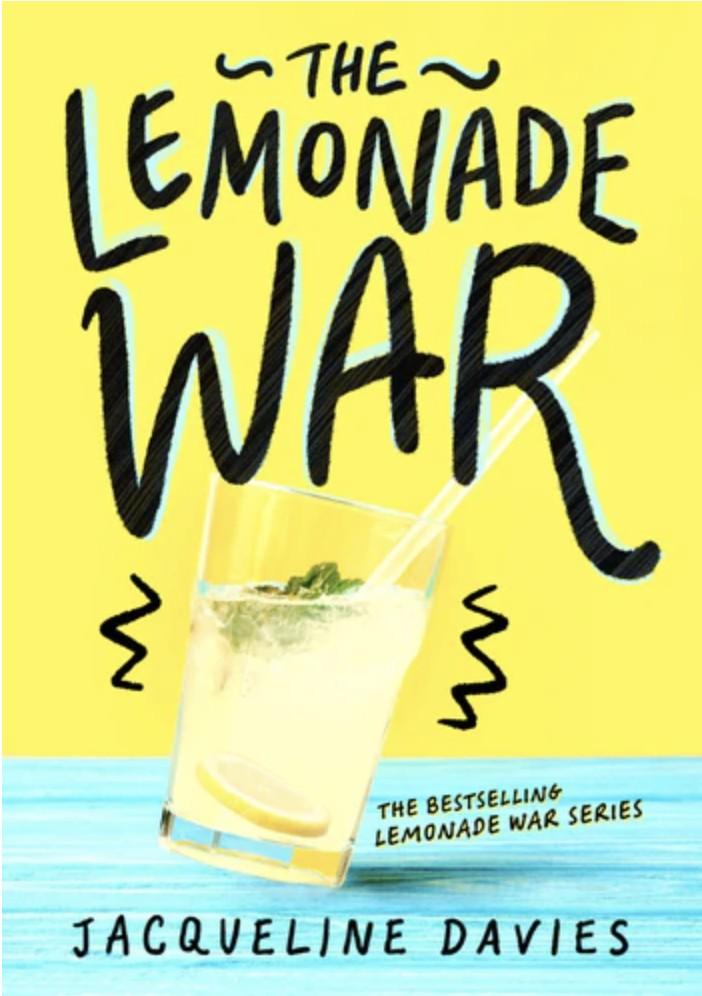
The Lemonade War
by Jacqueline Davies
Reviewed by Alex Thompson, founder of Kids Financial Guide · Updated November 2026
The short answer
The Lemonade War is the best novel we know for getting 8- to 12-year-olds thinking about earning and running a small business, with a sibling rivalry kids will recognize, for $9.99. Each chapter names a business term, but the lessons play out in the story, so talk them through, and it is as much about how a fight between siblings grows as about money.
| Ages | 8-12 (retailer listings) |
|---|---|
| Price | $9.99 paperback (list price), or free from your library; also hardcover, eBook and audiobook |
| Length | 192 pages, chapter book |
| Edition | Clarion Books paperback, 2009 (first published 2007); a full-color graphic novel adaptation followed in 2025 |
| Covers | Earning money, running a lemonade stand, competition, math, sibling relationships |
| Author | Jacqueline Davies, author of the six-book Lemonade War series |
The Lemonade War by Jacqueline Davies is a chapter book for ages 8 to 12 about a brother and sister who compete to sell the most lemonade in the last five days of summer vacation. Evan is good with people; his younger sister Jessie is good at math but finds feelings hard. Each chapter is named after a business term, such as joint venture, underselling or negotiation, with a short definition that the chapter then acts out. First published in 2007 and in paperback from Clarion Books since 2009, it blends humor, math and business know-how with a story about a sibling fight that gets out of hand. It is the first of six books in the Lemonade War series.
Ratings
Educational Value
Engagement
Clarity
Practical Application
Value For Money
What Kids Will Learn
- 1That a business needs customers, and that competition affects sales
- 2Using math to think about sales and money
- 3That earning money takes planning and effort
- 4How a competition can affect a relationship
- 5With a parent's help, that profit is what's left after paying for supplies
Parental Guidance
Tips for using this book:
- Read the book together and discuss the financial concepts presented
- Use the book as a starting point for conversations about money management
- Try out some of the activities and exercises with your child
- Connect the book's lessons to real-world experiences in your family
Full Review
Most money books for this age are nonfiction. The Lemonade War is a novel, and that is its strength. With five days of summer vacation left, a brother and sister start a contest to see who can sell the most lemonade. Evan is good with people; his younger sister Jessie is good at math but finds feelings hard. Each chapter opens with a business term and its definition, such as joint venture, underselling or negotiation, and the story then shows it in action. Their rivalry escalates, and the book mixes humor, math and business thinking into a story about how a fight between siblings can grow bigger than either meant. Kids get to see earning, pricing and competition from the inside, through characters they recognize. As a parent, ask your child how each chapter's term showed up in the story, and know that it covers cash-only lemonade stands, not cards or apps. For an 8- to 12-year-old who would rather read a story than a guide, it is one of the best ways we know to start a conversation about earning money.
Our Verdict
Our take: the novel to hand a child who wants to start a business, or a pair of siblings (or friends) who compete over everything. Read it alongside them, run your own small stand afterwards, at home or a family event with an adult nearby, and keep track of costs and sales together so the lessons in the story become real.
The Lemonade War: our in-depth review
What the book teaches
The Lemonade War teaches mainly through what happens to Evan and Jessie. Each chapter is named after a business term, such as joint venture, underselling or negotiation, with a short definition that the chapter then acts out. Each of them sets out to sell the most lemonade before school starts, and kids watch two very different approaches: Evan is good with people, and Jessie is good with numbers.
Along the way the book brings in math and business thinking, which gives you openings to talk about costs, prices, customers and competition. It is also a book about feelings. The contest starts as a disagreement and grows into something bigger, which makes it a good way to talk about how competition can hurt people you care about.
Drawing out the money lessons
The chapter titles name the ideas, but the lessons happen in the story, so they are easy to read past. Read the term and its definition together at the start of each chapter, then pause after a sales day in the book and ask what each child spent on supplies, what they charged and what was left over. Profit is the money left after you pay for what you used, such as lemons, sugar and cups; sales are all the money that comes in.
The book is about cash at a stand. Add the parts it leaves out: what your child would do with the money they earn, how much they would save, and how money they can't see, on a card or in an app, still runs out the same way.
Reading it together
Read a chapter or two a night. The book works well as a read-aloud for younger kids and as a shared read with an older child, where you each read and then compare notes.
Questions to talk about: Whose way of selling lemonade would work better, Evan's or Jessie's, and why? How much does a cup of lemonade cost to make? When did the contest stop being fun? Was it fair when one of them charged less to win the other's customers, and what makes competition fair? What would you do differently if you were Evan, or Jessie?
For a hands-on start tonight, make a pitcher of lemonade together and work out the cost per cup: add up the cost of what this pitcher used (the lemons, your share of the sugar bag, and the cups you poured, not the whole pack), divide by the number of cups, and pick a price above that so there is profit left. An older child can do the division; with a younger one, do it together or round to the nearest dime. If your child wants to run a real stand, keep it in front of your home or at a family or school event with an adult nearby, let an adult hold the cash box, and don't put your address or phone number on signs. Some towns have rules about stands, so check yours.
Who it's best for
Retailers list it for ages 8 to 12, and it suits 8- to 10-year-olds best. It is ideal for a child who prefers stories to facts, who is itching to start a small business, or who has a brother or sister to compete with. Younger kids, around 7 or 8, enjoy it as a read-aloud.
If your child loves it, there are five more books in the Lemonade War series, and a 2025 graphic novel version for reluctant readers. If they want facts about how money works next, our books guide has nonfiction picks for ages 8 to 12. Check your public library first; the paperback, hardcover and graphic novel all tell the same story.
Frequently asked questions
What age is The Lemonade War for?
Retailers list it for ages 8 to 12, and it suits 8- to 10-year-olds best; 11- and 12-year-olds may find the characters a bit young. It works as a read-aloud for 7- and 8-year-olds and as an independent read for most 9- and 10-year-olds. Kids who want a quicker, more visual read can try the 2025 graphic novel version.
What does The Lemonade War teach kids about money?
It shows two kids trying to earn as much as they can from lemonade stands. Each chapter is named after a business term with a short definition, such as joint venture, underselling or negotiation, and the story then shows it in action. That opens up questions about costs, prices, profit and fair competition. Profit is the money left after you pay for what you used, such as lemons, sugar and cups.
Is The Lemonade War a good book for siblings who fight?
Yes. The money plot sits inside a story about a brother and sister whose argument grows bigger than either of them meant. It gives siblings a safe way to talk about competition, hurt feelings and making up.
What is the difference between The Lemonade War and the graphic novel?
The original is a 192-page chapter book. The 2025 graphic novel adaptation from Clarion Books, illustrated in full color by Karen de la Vega, tells the same story in comic form and is aimed at reluctant readers. Either works; pick the one your child is more likely to finish.
Related Resources