
Best Books to Teach Kids About Investing, by Age
By Alex Thompson, founder of Kids Financial Guide · Updated November 2026
The short answer
For ages 8 to 12, Investing for Kids by Dylin Redling and Allison Tom is the best first investing book: 142 pages on saving, stocks, bonds, risk and diversification (spreading money across many companies), with activities to do together, for $12.99. For ages 10 to 14, How to Turn $100 into $1,000,000 by the co-creators of Biz Kid$ explains earning, budgeting, the stock market and compound interest in 160 funny, illustrated pages for $13.99. For teens 12 to 18, How to Money covers investing alongside paychecks, credit cards and student loans. Younger kids aren't ready for stocks, but If You Made a Million (ages 4-8) and Rock, Brock, and the Savings Shock (ages 7-10) show how saved money can grow. Read the investing pages together: stocks, funds and crypto can lose value, and under 18 a child can only invest through an account a parent opens.
Investing is one of the harder money ideas to explain to a child, because the money is invisible and the payoff takes years. A good book gives you pictures, characters and simple numbers to point at, and a reason to ask, "What would you do with $100?"
We picked these from our full book reviews, which check each book's ages, length, edition and price against the publisher. They're grouped by the age they suit best, from picture books about interest to teen guides that cover real accounts. None of them replaces a talk about risk: every investing book here needs a grown-up to add that investments can go down as well as up.
How to choose
- Start with growth, not stocks. Under about 8, the idea to aim for is that saved money can grow and spent money is gone. Picture books about interest and savings do that well.
- From 8, add what a stock is. Investing for Kids and Finance 101 for Kids explain that a share is a small piece of a company and that prices go up and down.
- From 10, add compound interest and time. How to Turn $100 into $1,000,000 shows why starting early matters, as long as you explain that the million takes decades of regular saving.
- Check the date. Several of these books are a few years old, and some mention crypto or online trading. Check current rates together and explain that crypto prices swing wildly.
- Plan a pretend portfolio. Pick three companies your child knows and one broad fund, write down their prices and compare them once a month on paper, before any real money is involved.
Ages 4 to 10: how saved money grows
Picture books that make interest and growth visible, before any talk of stocks.
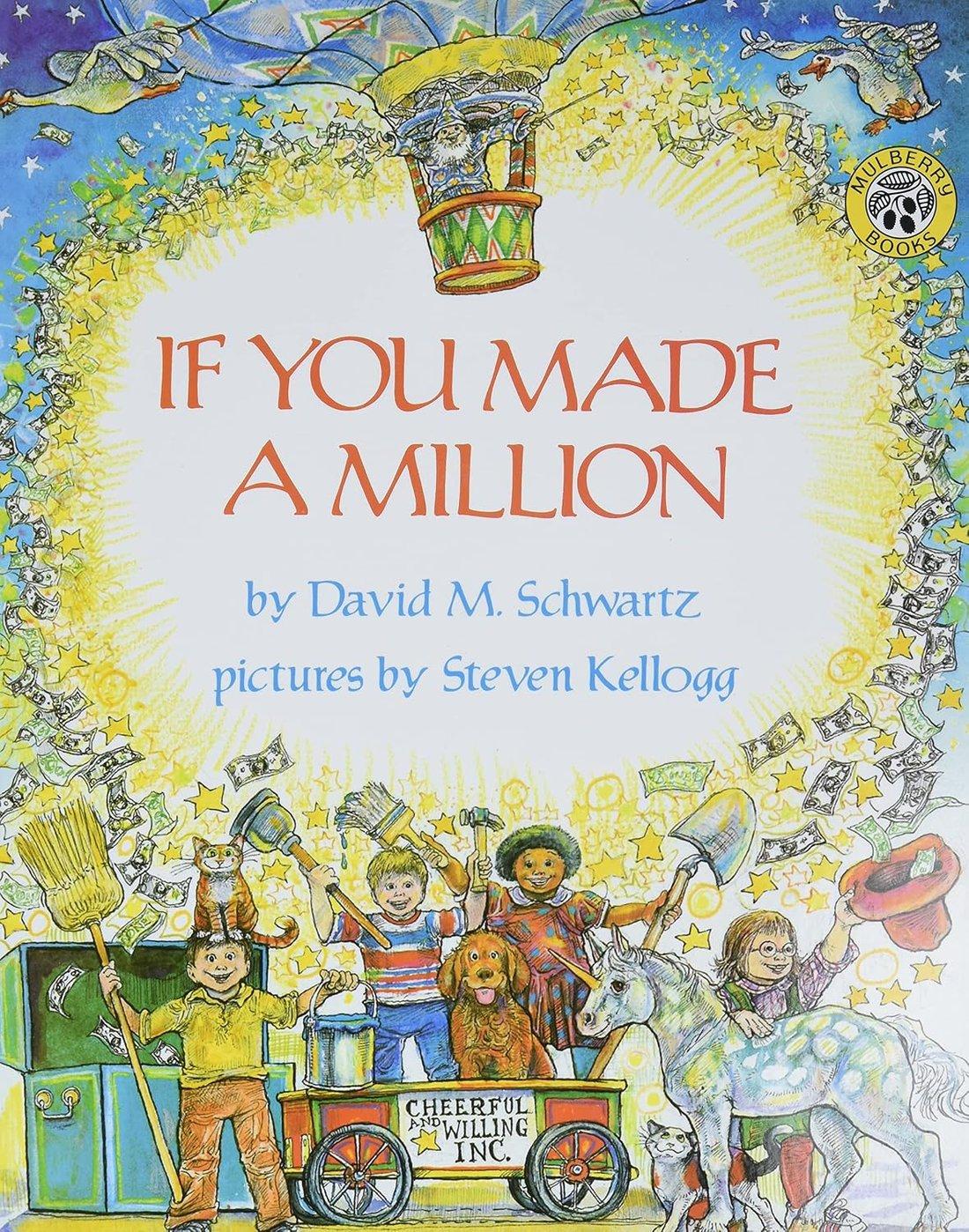
If You Made a Million
A math magician pays kids for small jobs, then shows what coins and bills add up to, what a bank does with savings and how interest makes them grow. Ages 4-8, and fun up to about 10; $9.99 or free from your library. It dates from 1989, so it shows paper checks and no cards or apps, and its notes on compound interest at the back are for older kids and parents.
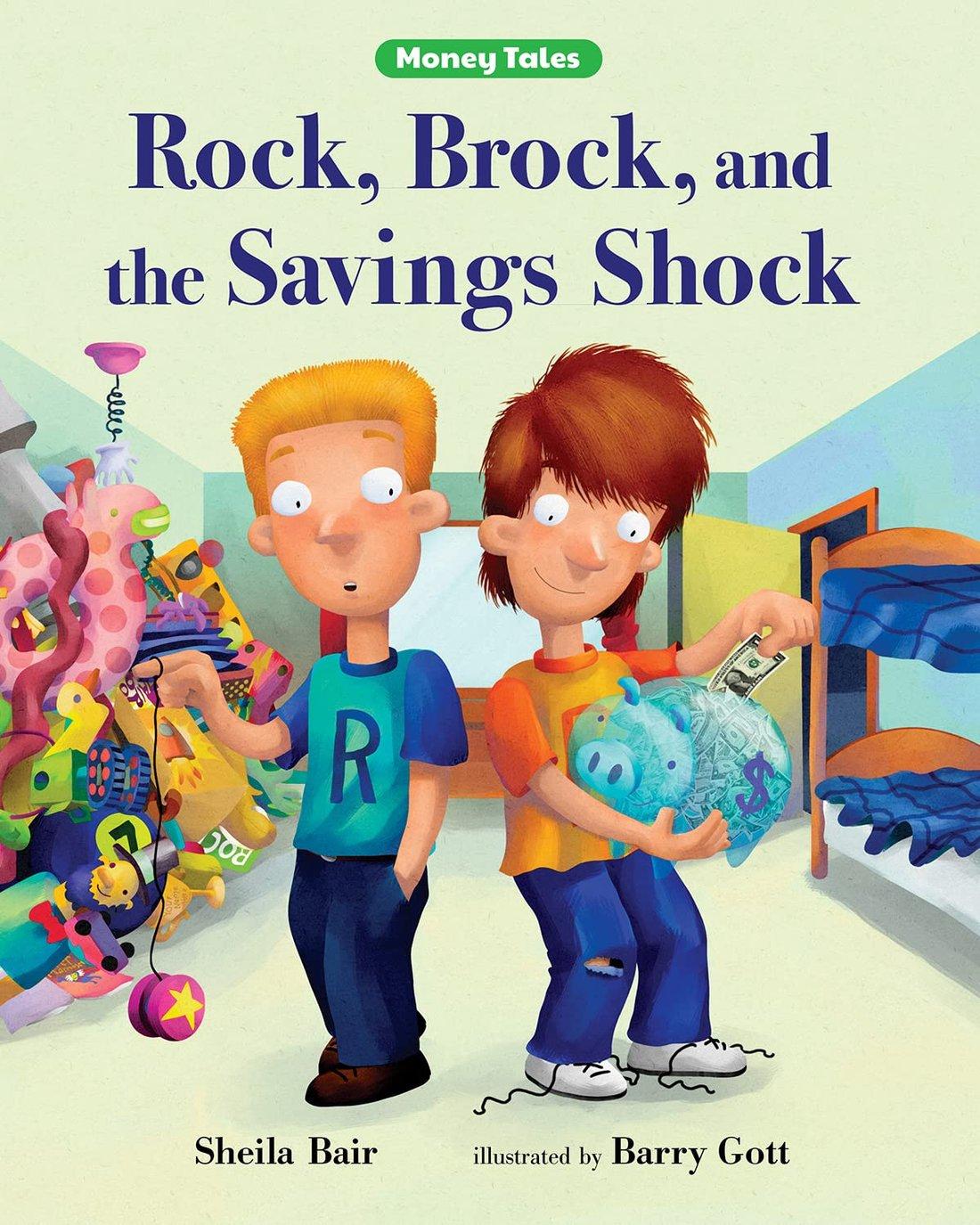
Rock, Brock, and the Savings Shock
Twin brothers get a dollar a week from Gramps, whose deal makes Brock's whole savings pile grow, not just each new dollar, so Brock ends the summer with $512 while Rock spends his; the story ends with Brock showing Rock it's never too late to start. It shows savings growing on top of themselves, the idea behind compound interest. With a 7-year-old, use coins to show the pile doubling for the first few weeks. Ages 7-10, $9.99, by former FDIC chair Sheila Bair. Explain that Gramps is far more generous than any bank: real savings grow by a small percentage a year.
Ages 7 to 12: what a stock is
Nonfiction that introduces stocks, bonds and risk for kids who want facts.
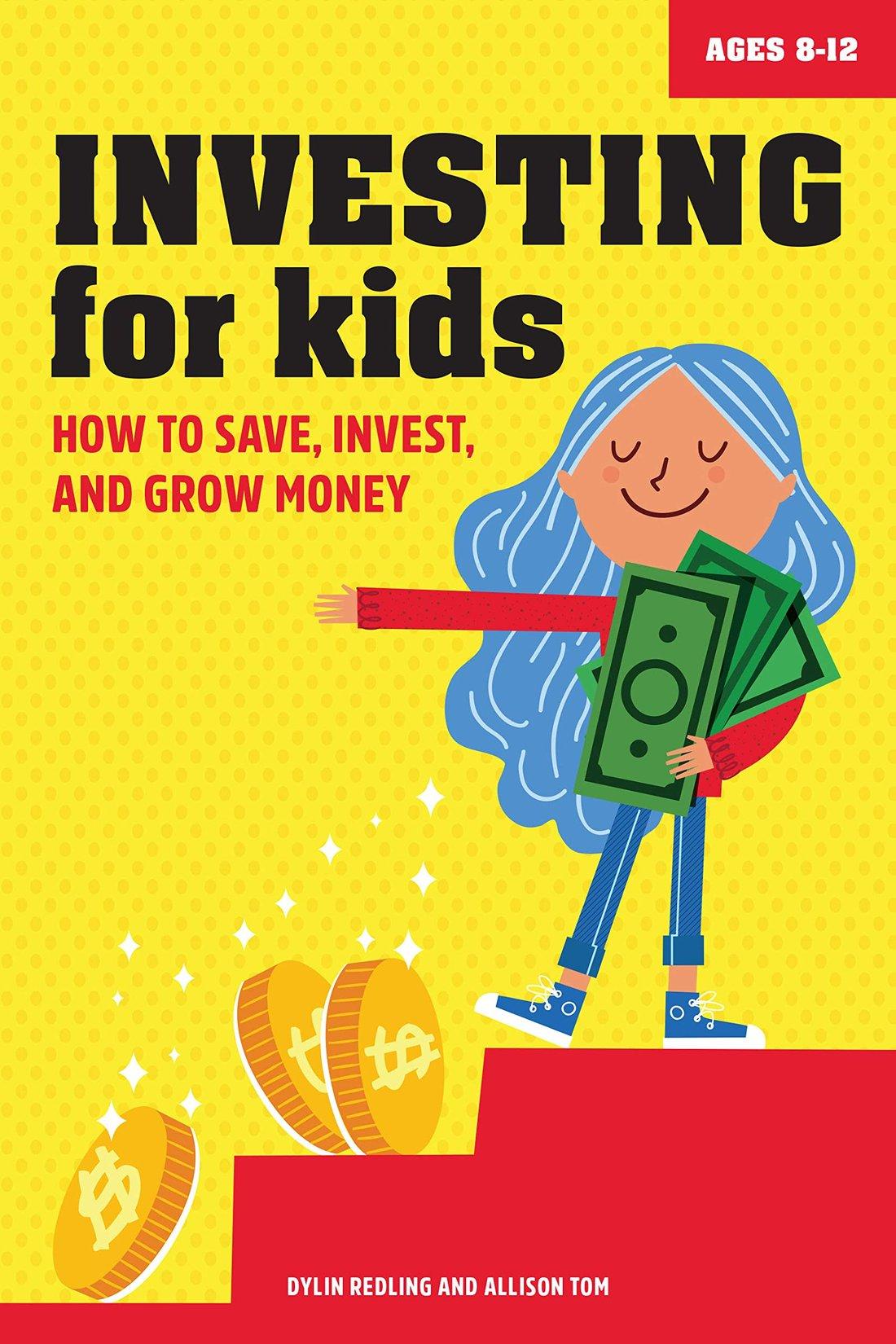
Investing for Kids: How to Save, Invest, and Grow Money
A 142-page beginner's guide to saving, stocks, bonds, risk and diversification, with two guide characters and activities to do together. Ages 8-12, $12.99 list price. It also covers online trading, so explain that stocks can lose value and that kids can't trade without an account a parent or guardian opens (on some teen accounts the parent can watch but not approve trades). Bonds and diversification will stretch some 8-year-olds; read those chapters together.
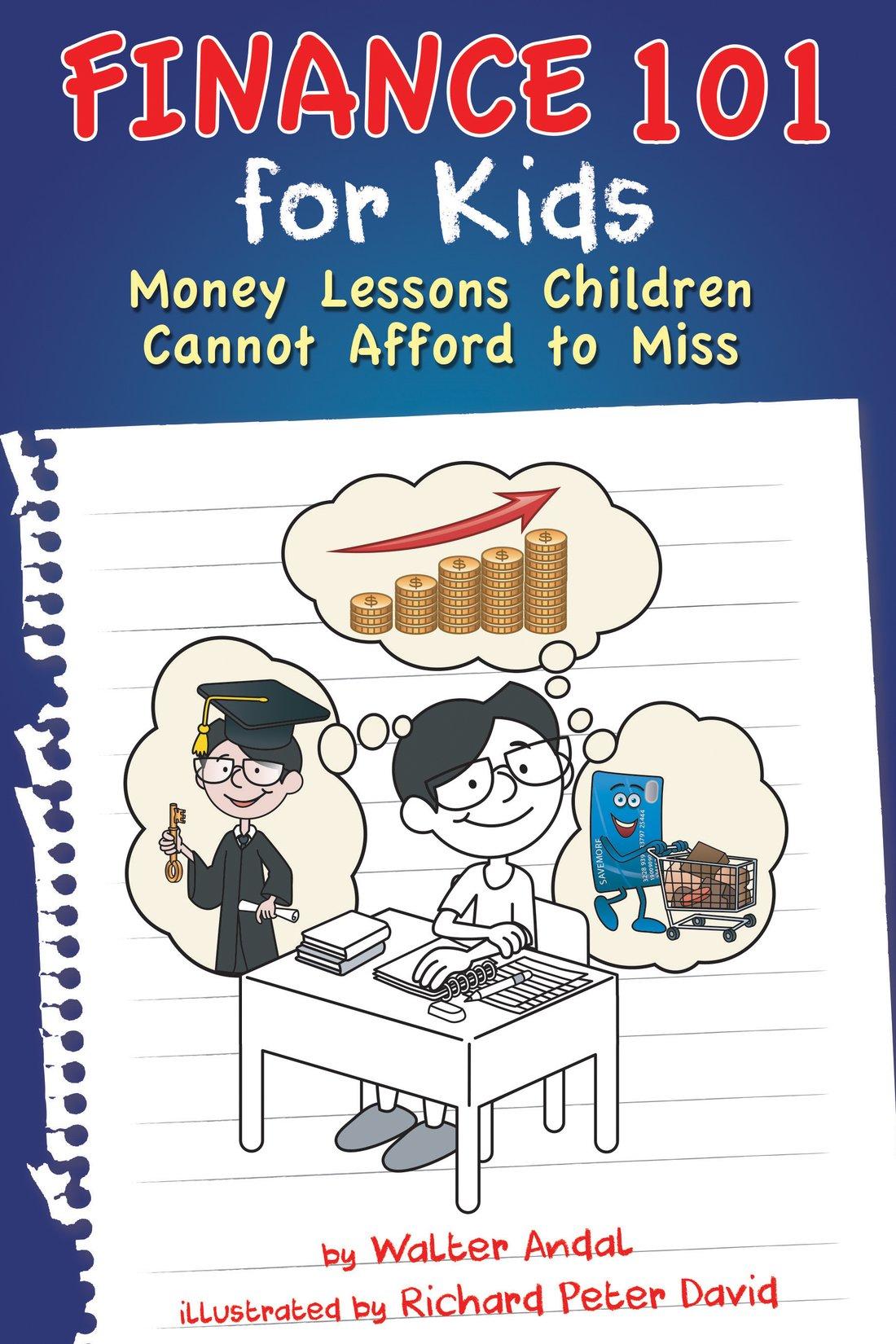
Finance 101 for Kids
A 108-page overview of the history of money, earning, saving, credit, the stock market, currencies and giving back. Ages 8-12, $12.95. A good pick if you want investing as one part of a wider money book. It is self-published and dates from 2016, so add today's cards, apps and investing risk yourself.
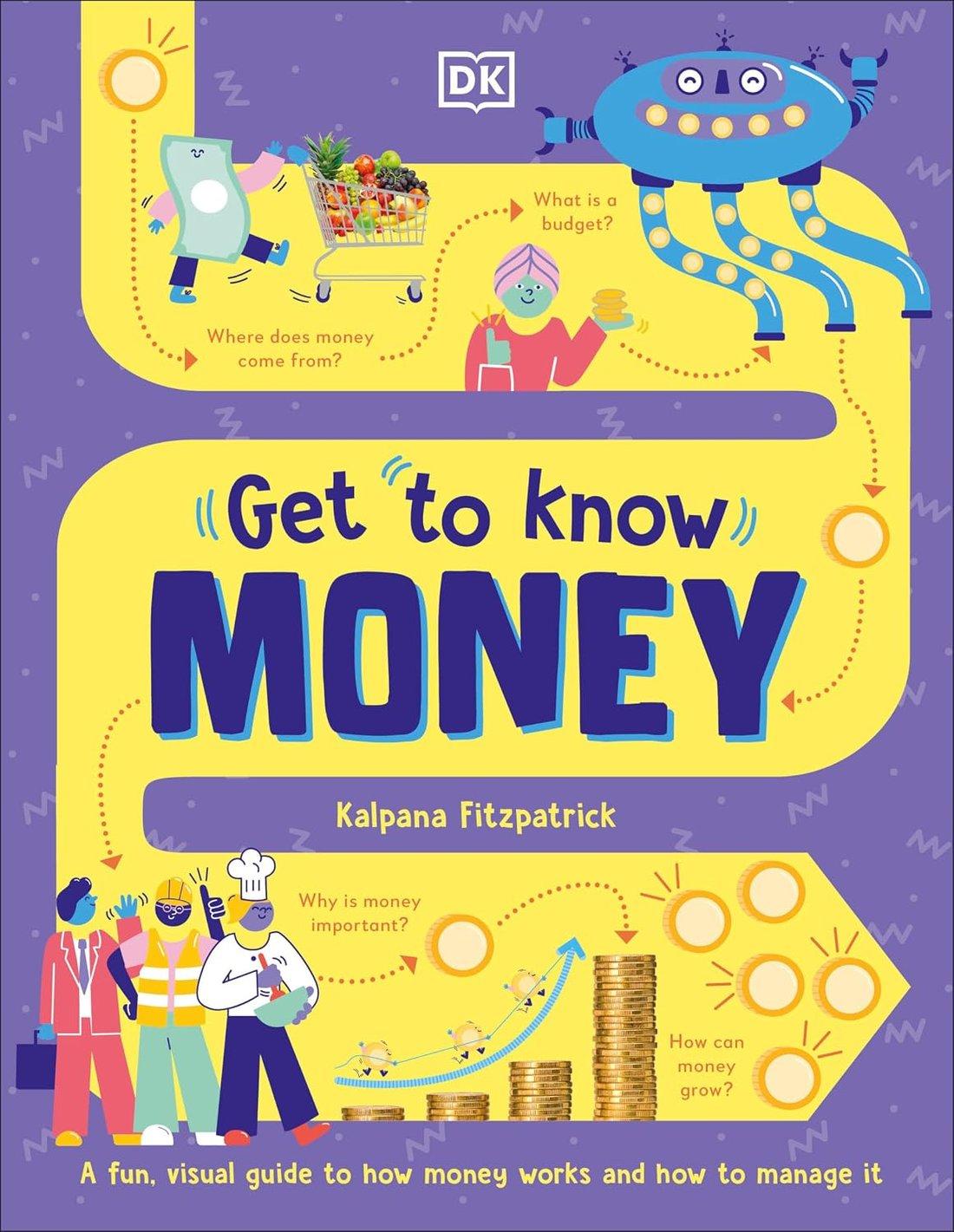
Get To Know: Money
A 96-page DK guide with pictures, quizzes and activities on saving, banks, taxes, the stock market and staying safe with money online. Ages 7-9, $16.99 hardcover or free from your library. It is a quick tour by a UK author, so add US details, and make sure your child also hears that stocks can lose value.
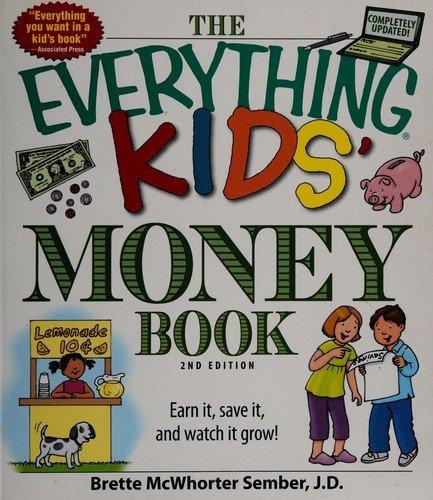
The Everything Kids' Money Book
Covers earning, budgeting, saving and interest, credit cards and stocks for ages 7-12 in 160 pages. The current edition is from 2008, so its banking and technology sections are out of date; borrow it rather than buy it, and read the investing pages together.
Ages 10 to 14: compound interest and the stock market
For tweens with some money of their own who want to know how it could grow.
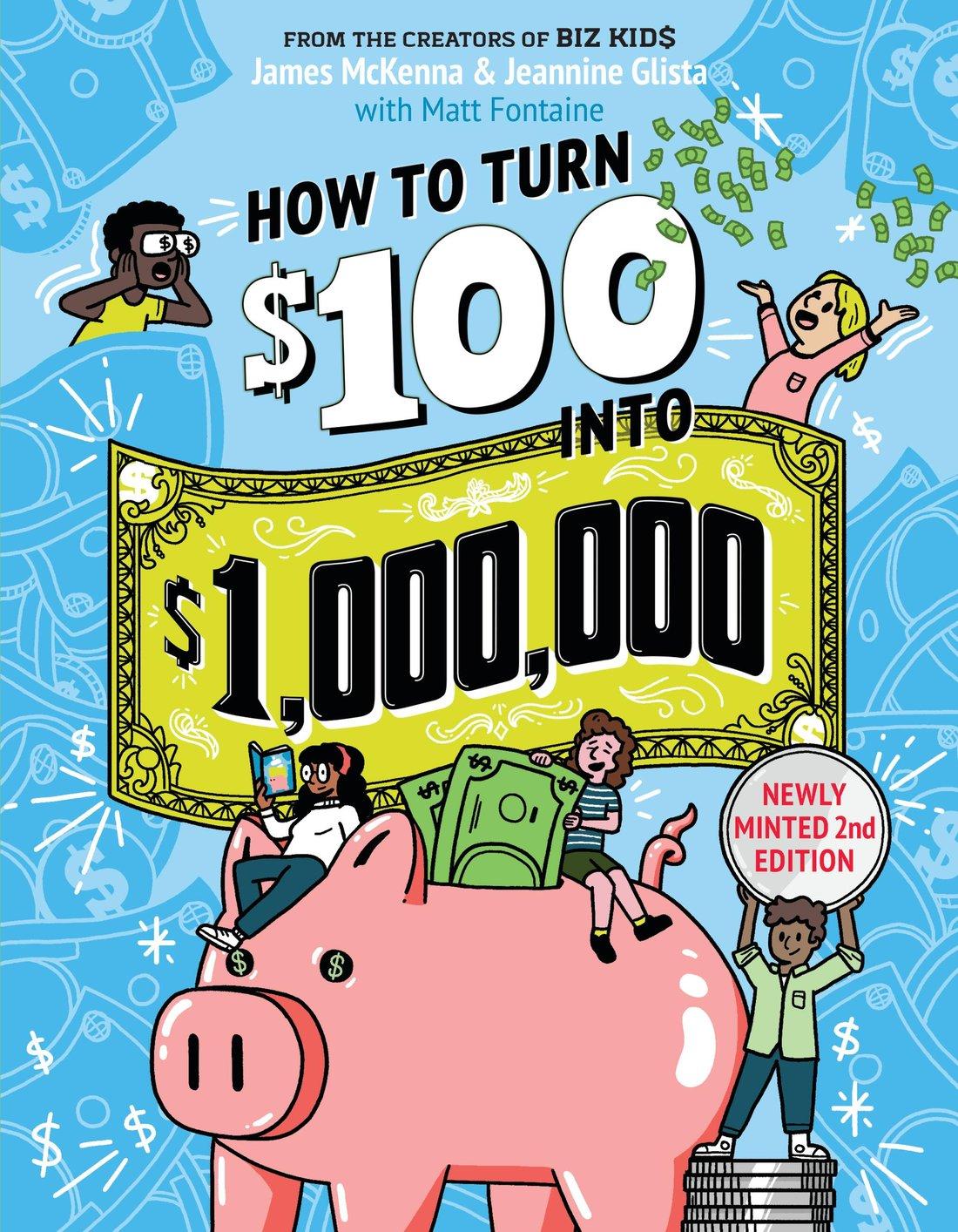
How to Turn $100 into $1,000,000
A funny, illustrated 160-page guide from the co-creators of the TV series Biz Kid$ that covers goals, budgeting, first jobs, starting a business, the stock market and compound interest. Ages 10-14, $13.99 paperback. The 2024 edition adds Bitcoin, so talk about risk: stocks and crypto can lose value, and the title is a long-term goal that takes decades of regular saving, not a promise. If your child wants to start a business from the book, choose one that doesn't mean meeting strangers or selling online without you, and keep your address and phone number off flyers.
Ages 12 to 18: investing as part of real-life money
Teen guides that put investing next to paychecks, credit and student loans.
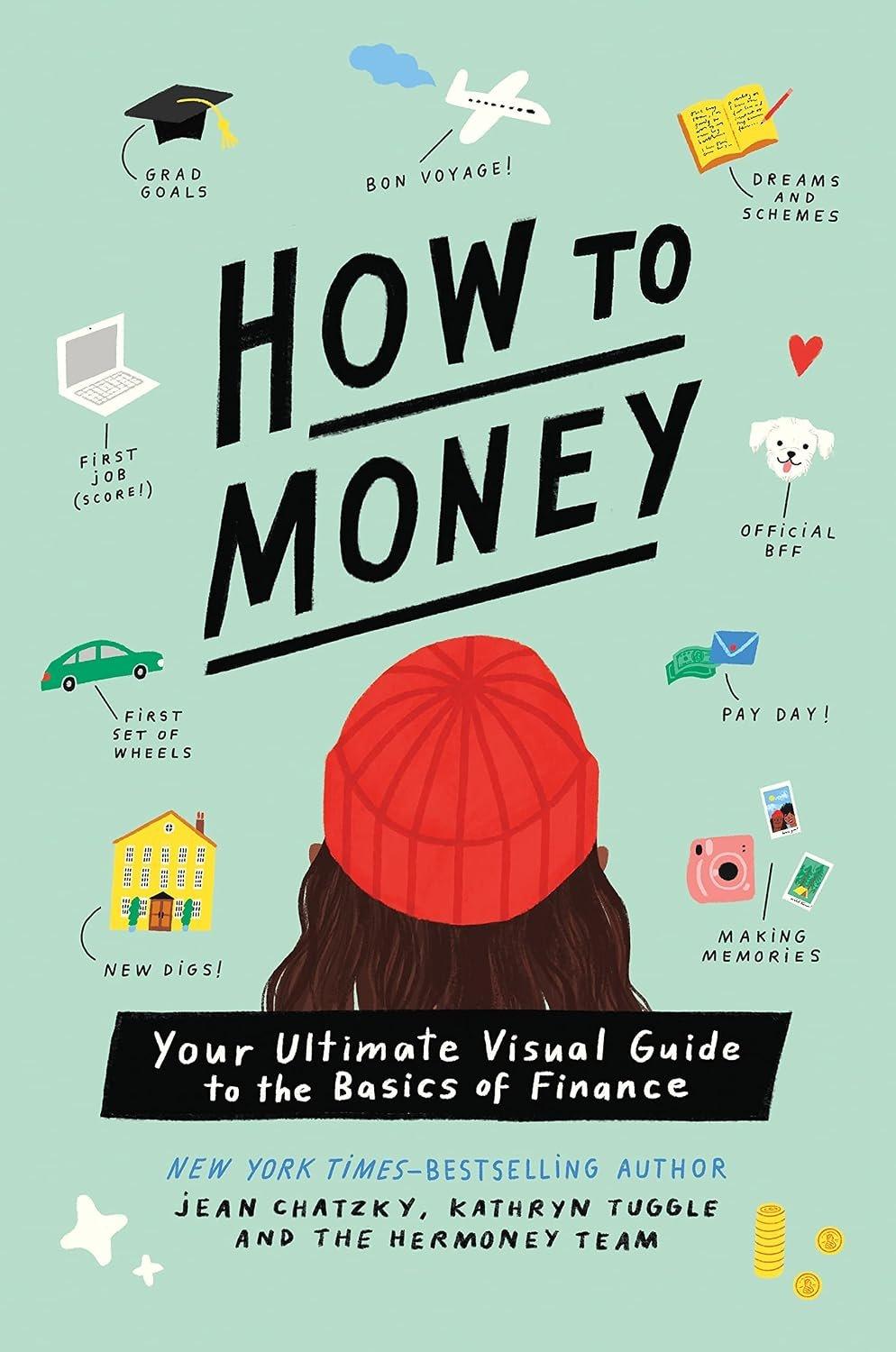
How to Money
Jean Chatzky and Kathryn Tuggle's illustrated 256-page guide covers budgeting, first jobs and paychecks, credit cards, student loans and investing, with a glossary. Ages 12-18, $19.99 paperback, and many libraries carry it. It dates from 2022 and touches on crypto, so check current rates together and talk about risk.
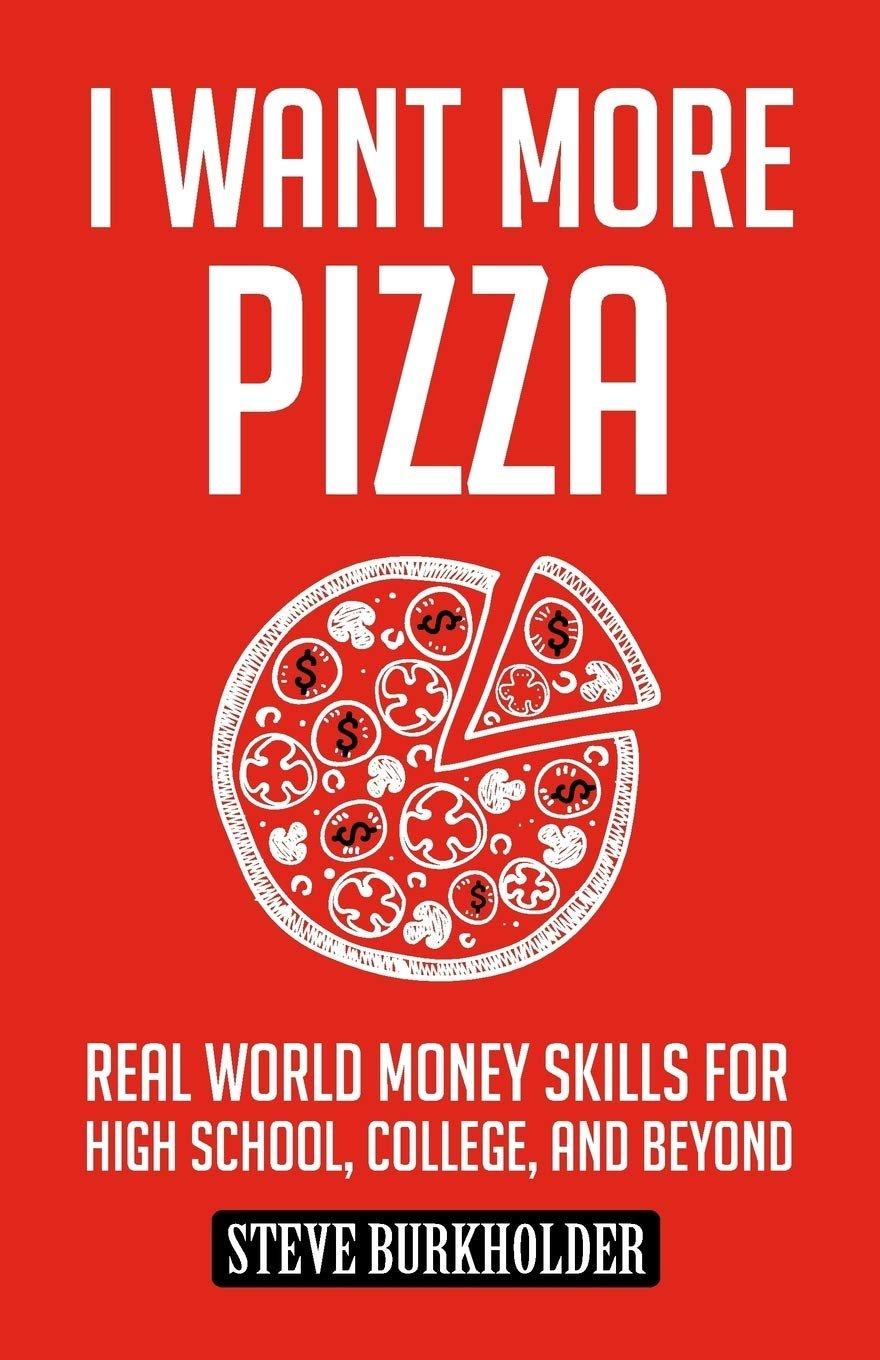
I Want More Pizza
About 108 pages for $9.99 on saving, goals, compound growth, investing, credit cards and student loans, with the author's free worksheets for grades 7-12. Ages 13-18. It first came out in 2015 and some readers find it thin, so for one fuller guide choose How to Money.
Frequently asked questions
What is the best book to teach kids about investing?
For ages 8 to 12, Investing for Kids by Dylin Redling and Allison Tom explains saving, stocks, bonds, risk and diversification in 142 pages with activities. For ages 10 to 14, How to Turn $100 into $1,000,000 explains compound interest and the stock market after covering earning and budgeting. For teens, How to Money puts investing next to paychecks, credit and student loans. Read the investing chapters together, because investments can lose money.
At what age can kids start learning about investing?
Kids as young as 4 or 5 can learn that money is earned and can be saved, and picture books like If You Made a Million show how saved money can grow (skip its pages on loans and interest with 4- and 5-year-olds). From about 8, many kids can follow what a stock is and why prices change, which is where Investing for Kids starts. Compound interest and the idea of investing for decades usually click from about 10. Real investing waits for an account a parent opens.
How do I explain the stock market to a child?
Say that a share is a tiny piece of a company. If the company does well and more people want its shares, the price can go up; if it does badly, the price can fall, and you can get back less than you put in. A fund holds many companies at once, so one bad company hurts less. Then pick a few companies your child knows and track their prices on paper for a few months.
How do I explain compound interest to a kid?
Compound interest is earning money on your money and then on the extra too. As an example (not a promise), $100 growing 5% a year becomes $105 after one year and about $163 after ten, without adding anything. Rock, Brock, and the Savings Shock (ages 7-10) shows the idea with a grandpa's very generous match, and How to Turn $100 into $1,000,000 (ages 10-14) explains it properly. Real savings accounts pay much less than Gramps: the FDIC's national average savings rate was about 0.4% a year in 2026, while the best-paying online banks paid around 4%.
Can kids actually invest real money?
Not on their own. Under 18, a child can invest only through an account a parent or guardian opens: a custodial account the parent controls (money put in legally becomes the child's), or a teen account like the Fidelity Youth Account for ages 13-17, which a parent with a Fidelity account opens and the teen owns. Some kids' debit card apps, such as Greenlight on its Max plan ($10.98 a month) and BusyKid ($48 a year), let kids buy stocks with a parent's approval. All investments can lose value and are not FDIC insured.
Do kids' investing books talk about crypto?
Some do. How to Turn $100 into $1,000,000 added Bitcoin in its 2024 edition, and How to Money touches on crypto. Explain that crypto prices swing wildly, that it can lose most of its value quickly and that it isn't protected the way bank deposits are. Anyone online who promises to grow your money fast, or asks you to send money, gift cards or crypto, is running a scam.
More guides
- Best Bank Account for a Teenager
- Best Chore and Allowance Apps for Kids
- Best Debit Card for a 10-Year-Old
- Best Free Money Apps for Kids
- Best Money Apps for Kids and Teens, Compared
- Best Money Books for Kids and Teens, by Age
- Best Money Games for Kids
- Greenlight vs BusyKid: Which Kids' Debit Card Is Better?
- How Much Allowance Should a Kid Get by Age?
- What Age Should a Kid Get a Debit Card?